Former India cricketer Robin Uthappa has expressed concern that Rohit Sharma might modify his naturally aggressive batting approach in ODIs following his recent demotion from captaincy. The Ajit Agarkar-led selection committee’s decision to replace Rohit with Shubman Gill as skipper has stirred debate, remarkably as reports suggest both Rohit and Virat Kohli will now be selected purely on “merit,” without the extended backing their records once guaranteed.
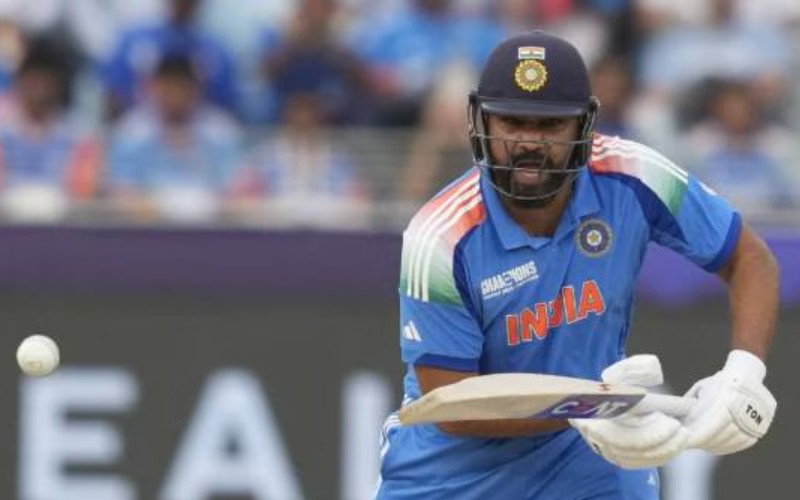
The move is part of India’s long-term vision for the 2027 ODI World Cup in South Africa. By then, both Rohit and Kohli will be nearing 40, prompting selectors to begin a generational shift early. Gill, India’s new all-format leader, is expected to shape the team in his image, starting with the upcoming ODI series against Australia. Rohit, however, retains his opening slot—at least for now.
Speaking on the Good Areas podcast with journalist Jarrod Kimber, Robin Uthappa highlighted Rohit’s transformation as a white-ball batter over the last few years.
ALSO READ: MS Dhoni Becomes Certified Drone Pilot After Completing Training with Garuda Aerospace
“Rohit Sharma is someone who has upped the ante even in one-day cricket,” Robin Uthappa said. “Earlier, he used to build his innings patiently — his first fifty would take around 60-70 balls, and then he’d accelerate. But in the past three to four years, he’s been playing at a much quicker tempo.”
Indeed, Rohit’s strike rate shift has been dramatic. Before 2022, he had crossed the 100 mark only once in 15 years of ODI cricket. Since then, he has maintained a strike rate above 100 consistently — posting 114.22, 117.07, and even a staggering 141.44 in 2024 (though in a short sample).
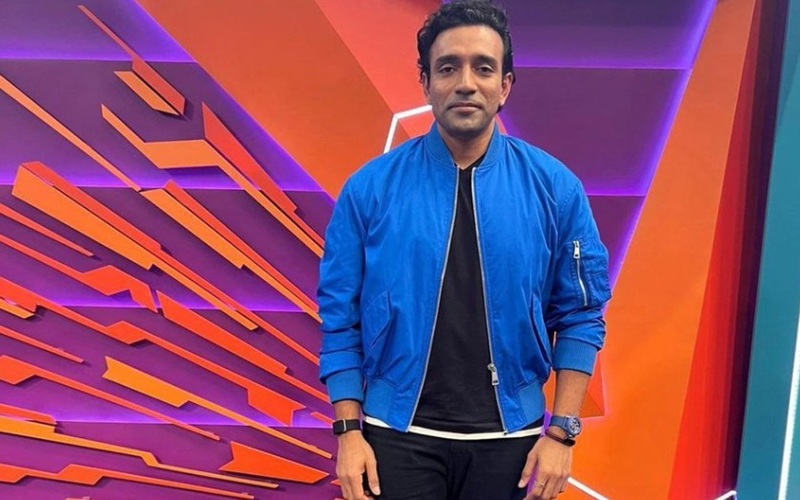
For a format traditionally demanding balance between caution and aggression, these are elite numbers. Robin Uthappa, himself a former aggressive white-ball opener, believes this new selection approach could subtly affect Rohit and Kohli’s mindset.
“Now that he’s no longer captain, Rohit might play a bit more conservatively,” he said. “Earlier, he led from the front and backed players to express themselves freely. But as just another player, he might think twice before taking risks—especially since selectors have made it clear that spots will be earned purely on performance.”
ALSO READ: Jasprit Bumrah’s Champion Mindset: Manprit Juneja Compares Him To Roger Federer
If that shift happens, Uthappa noted, it would be an ironic twist. After all, Rohit was the one who championed fearless batting in India’s white-ball setup, ensuring his players felt secure enough to attack without fear of losing their place—a philosophy that defined India’s limited-overs resurgence under his leadership.