The long-standing tension between the cricket boards of India and Pakistan finally showed its first crack of relief, with both sides managing to “break the ice” over the Asia Cup trophy dispute. BCCI secretary Devajit Saikia revealed to PTI that a meaningful dialogue has begun after he met PCB chairman Mohsin Naqvi on the sidelines of the ICC meetings in Dubai. For a matter that has hovered like a shadow over Asian cricket for weeks, even a small step toward resolution feels significant.
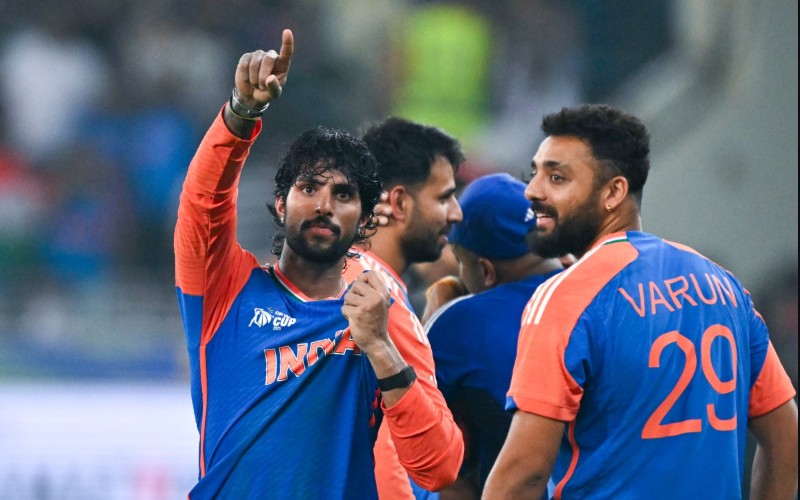
The controversy erupted when the Asia Cup trophy—won by India on September 28 after Suryakumar Yadav’s men outplayed Pakistan in the T20 final—was not handed over to the champions. Mohsin Naqvi, who also heads the Asian Cricket Council, did not present the trophy after the Indian team refused to receive it from him, citing his public anti-India stance. Since then, the trophy has been locked up at ACC headquarters in Dubai with strict instructions not to move it without Naqvi’s clearance.
Saikia explained that, although the issue wasn’t officially part of the ICC meeting agenda, ICC Deputy Chairman Imran Khawaja and CEO Sanjog Gupta facilitated a separate interaction between the two boards. He described the meeting as cordial and constructive, emphasising that both boards are now committed to finding a workable solution. For a relationship as frosty as the current India-Pakistan equation, the very act of sitting across a table is a significant step forward.
ALSO READ: Dhruv Jurel Fires Back-to-Back Centuries To Strengthen Test Selection Claim
Saikia remained optimistic, noting that various options are being explored from both sides to resolve the trophy standoff. He dismissed speculation about the ICC forming a dispute resolution committee, stressing that the situation had not reached a stage where the world body needed to intervene formally. According to him, the issue will be resolved before any drastic measures need to be discussed.
The Asia Cup itself was a heated affair, with India and Pakistan meeting three times in a tournament overshadowed by political tension. The Indian players maintained a no-handshake policy throughout the event as a mark of respect to the victims of the Pahalgam terror attack. On-field tempers flared too, leading to fines on players from both teams for gestures deemed inappropriate and damaging to the spirit of the game. The trophy dispute only added another layer to an already emotionally charged tournament.
In a more positive development, the ICC Board of Directors extended heartfelt appreciation to the BCCI for successfully hosting the Women’s World Cup in India and Sri Lanka. The Indian women’s team, led by Harmanpreet Kaur, created history by winning their maiden ICC title after beating South Africa in Navi Mumbai.
WATCH – Rishabh Pant Returns After Retired Hurt Scare, Delivers Fiery Knock For India A
Devajit Saikia added that the board also recognised South Africa’s impressive rise, marked by three consecutive appearances in tournament finals. For women’s cricket globally, these performances signal a promising shift. As the Indo-Pak boards continue their discussions, the cricketing world will be watching closely. A solution may finally be within striking distance, and for fans across both nations, that’s a win in itself.