Team India’s recent struggles in the longest format hit a new low this week as they suffered a crushing 408-run defeat to World Test Champions South Africa at the Barsapara Stadium in Guwahati. The loss not only sealed a 2-0 series whitewash on home soil but also raised uncomfortable questions about the team’s stability, player roles, and overall dressing-room clarity.
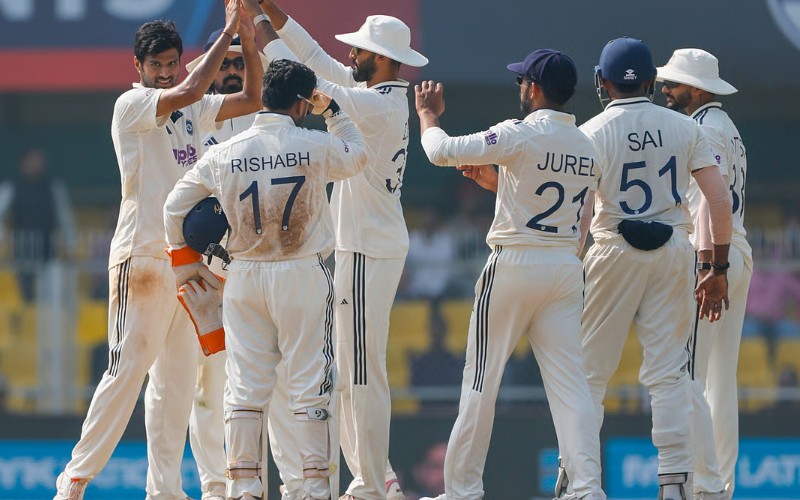
After a narrow 30-run loss in the first Test at Eden Gardens, India’s response in the second game was surprisingly tame. Several experts believe the growing uncertainty around individual roles and selections is beginning to erode the team’s confidence. This sentiment was echoed strongly during a recent episode of Ravichandran Ashwin’s podcast, where former South Africa performance analyst Prasanna Agoram—popularly known as Pdogg—offered an honest assessment.
According to Prasanna, clarity breeds confidence, and India currently lack both. “Players gain confidence when they know their role and know that they have cemented their place in the side,” he said. “Axar Patel, Washington Sundar, Nitish Reddy—none of them know their exact position or role in the XI. At least eight out of eleven players are unsure if they will even feature in the next fixture.”
ALSO READ: Aakash Chopra Says India Reaching WTC Final Would Be A ‘Miracle’ After South Africa Defeat
He further explained how this lack of role clarity impacts game awareness, especially for younger players. “Rishabh Pant, for instance, knows he’s a guaranteed starter. That gives him the freedom to charge down the track and take risks. But the same freedom doesn’t exist for Sai Sudharsan, Nitish Kumar Reddy, Washington Sundar, or Dhruv Jurel. They simply don’t know where they stand.”
The situation becomes even more complicated with the looming return of Shubman Gill, as Prasanna pointed out.
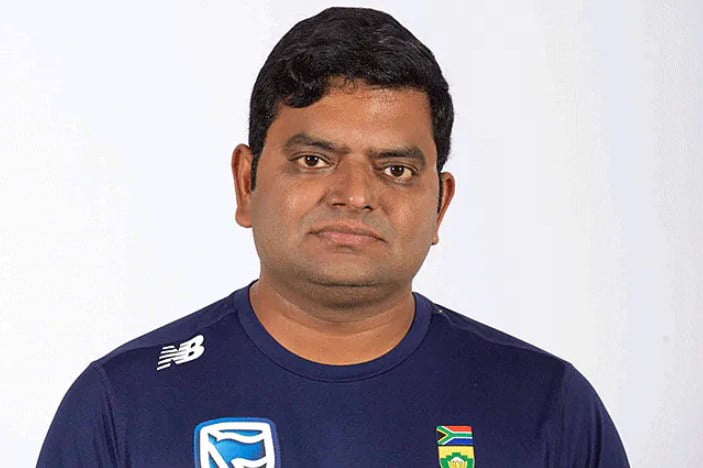
“Everyone in this team is fighting for their place, and nobody knows who will be dropped once Gill regains fitness. In such a scenario, players naturally try to safeguard their position. But when you play safe at the highest level, you lose both confidence and game awareness—and failure becomes almost inevitable.” Prasanna summed it up bluntly: “If you don’t give a player confidence, you can’t expect game awareness or performance from him.” Ashwin, for his part, fully agreed with the expert’s analysis, adding that he “had nothing more to contribute.”
The defeat was historic for the wrong reasons—India’s most significant loss by runs at home and their second home Test series whitewash in just over a year. South Africa dominated from the start, posting a formidable 489 in the first innings, courtesy of Senuran Muthusamy’s 109 and Marco Jansen’s 93. Kuldeep Yadav was India’s standout bowler with four wickets, but the batting lineup faltered for just 201 in reply, with Jansen picking up six wickets.
ALSO READ: Ravichandran Ashwin Reveals Retirement Promise Made After 2012 England Defeat
South Africa’s second innings saw Tristan Stubbs hammer 94 as they declared at 260/5. India crumbled again, bowled out for a mere 140 despite Ravindra Jadeja’s fighting 54, while Simon Harmer registered a six-wicket haul.
The series had begun with a gritty 30-run SA win at Eden Gardens, but the gulf between the two sides widened alarmingly by the second Test. With back-to-back home series defeats, India now faces pressing questions—not just about performance, but about clarity, confidence, and the culture within the squad.