The Board of Control for Cricket in India (BCCI) is set to phase out the A-plus category from its central contracts, reflecting the changing landscape of Indian cricket and evolving player workloads across formats. BCCI secretary Devajit Saikia confirmed the development on Saturday (January 24), stating that the eligibility criteria for the elite bracket are no longer being met.
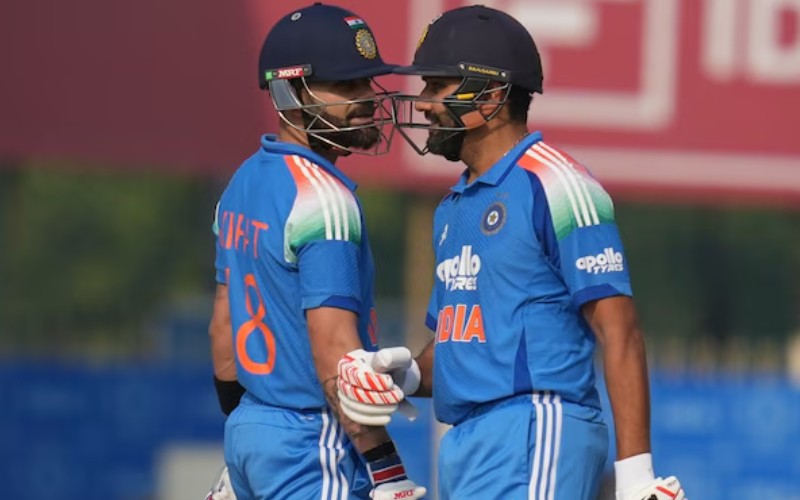
Under the current system, the A-plus category carries the highest annual retainer of ₹7 crore, followed by the A, B, and C categories with retainers of ₹5 crore, ₹3 crore, and ₹1 crore, respectively.
For the 2024–25 season, only four players — Virat Kohli, Rohit Sharma, Jasprit Bumrah, and Ravindra Jadeja — featured in the top tier. However, recent retirements and format-specific decisions have made the category redundant.
ALSO READ: Ian Smith Questions Rishabh Pant’s Exclusion From India’s T20 World Cup Squad
Kohli and Rohit have stepped away from Test and T20I cricket, while Jadeja has retired from T20Is. That leaves Bumrah as the only player actively involved across formats, even though his participation in bilateral series is carefully managed due to workload concerns following a serious back injury last year.
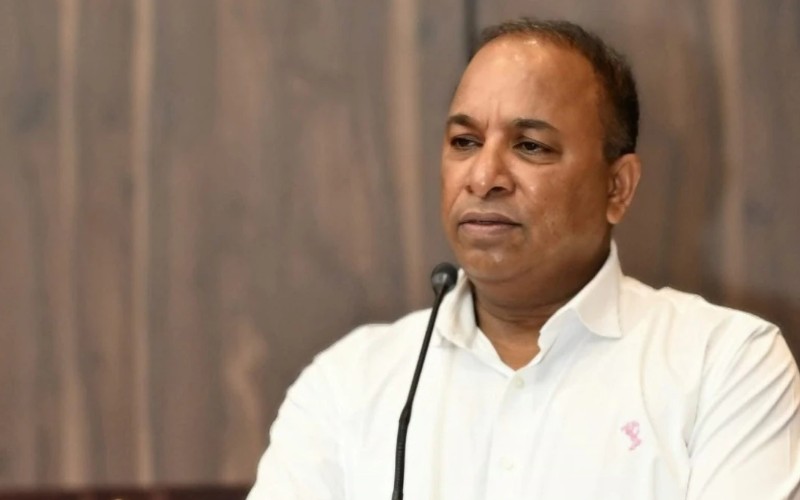
“The plan will go ahead very soon,” Devajit Saikia told Sportstar. “We are removing one category because the players who were eligible for the A-plus category are now playing just one of the three formats. The criteria we have set are no longer being fulfilled.”
He further clarified that the decision was purely structural and not targeted at individuals. “A one-format player will not be eligible for A-plus, so we had to take this call. There is no heartburn,” Saikia added, underlining that the move aligns with long-term planning rather than short-term reactions.
WATCH – MS Dhoni Begins Practice Ahead Of IPL 2026, Signals Early Preparation for CSK Season
According to reports, Bumrah is expected to retain his ₹7 crore earnings despite the category’s removal, given his importance as India’s all-format pace spearhead. The decision signals a shift in how the BCCI rewards versatility and availability, as Indian cricket adapts to packed calendars and increased focus on player longevity.