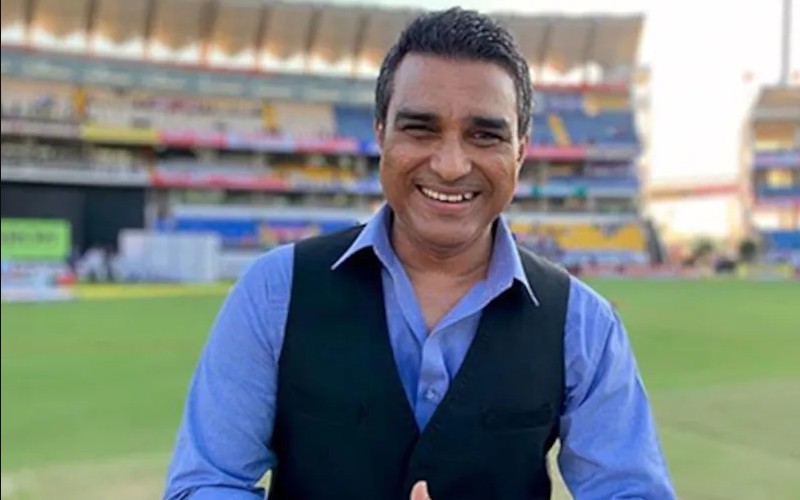
Days before the 2026 ICC T20 World Cup in India and Sri Lanka, former India batter Sanjay Manjrekar reignited the debate by arguing the ICC should revert to the tournament’s original name — the World T20. Manjrekar’s point is straightforward: staging a T20 World Cup every two years risks diluting its significance, and for him the phrase “Cricket World Cup” will always mean the ODI event.
The ODI World Cup, established in 1975, has been played 13 times and remains the sport’s most iconic event. The T20 World Cup, by contrast, debuted in 2007 and will reach its 10th edition in just 19 years — a cadence that has accelerated since the tournament was rebranded from World T20 to T20 World Cup in 2018 to broaden its global appeal.
Manjrekar made his views public on X: “For me, the ‘Cricket World Cup’ will always be the 50-over World Cup. The T20 version, held every two years, must not be given the same status as a World Cup that comes once every four years. I prefer the original name for it – the WorldT20.”
ALSO READ: USA Captain Monank Patel Recalls Junior Cricket Days With Jasprit Bumrah
The intervention matters because it taps into a wider conversation about cricket’s modern identity. T20’s rise has been meteoric; franchise leagues have proliferated, broadcasters reward spectacle, and new audiences flock to condensed formats. That commercial momentum is precisely why many boards welcome frequent global T20 events — they grow the sport in non-traditional markets and boost revenue for smaller nations.
For me the ‘Cricket World Cup’ will
always be the 50 overs World Cup.The T20 version held every two years must not be given the same status of a World Cup that comes once in 4 years. I prefer the original name for it – The WorldT20.
— Sanjay Manjrekar (@sanjaymanjrekar) January 30, 2026
Yet critics argue that increasing frequency undermines prestige. The ODI World Cup has cultural weight built over decades; its four-year cycle creates anticipation, narrative and historical gravitas. If T20 World Cups arrive too often, each edition risks feeling like another tournament rather than a landmark event.
Even established players sympathise with the debate. India captain Rohit Sharma has long treated the 50-over World Cup as the pinnacle, a sentiment he reiterated after India’s narrow 2023 final defeat. “I have always grown up watching the 50-over World Cup, and to me, that was the ultimate prize,” he said.
ALSO READ: Sanju Samson’s Homecoming Turns Emotional As Fans Unveil Giant Cutout
A compromise might balance both sides: retain a biennial T20 World Cup but stagger it intelligently around the four-year ODI cycle, or employ differentiated branding and host windows so each tournament breathes. Alternatively, the ICC could explore a return to the “World T20” label while keeping frequency unchanged — a symbolic move that might recapture a sense of distinct identity.
Manjrekar’s nudge is timely. As cricket’s calendar grows crowded, governing bodies must weigh commercial opportunity against the value of rarity. How the ICC answers will shape which events players and fans truly cherish for years to come. The debate continues today.