Former India captain Sunil Gavaskar has weighed in on the growing debate over the Pakistan boycott, delivering a pointed response to remarks by English pundit Nasser Hussain. Without naming Hussain directly, Gavaskar criticised what he described as “jaundiced” views from voices unhappy with India’s rise as the central power in world cricket. His comments come amid heightened scrutiny of the ICC’s handling of tournament logistics and board-level politics.
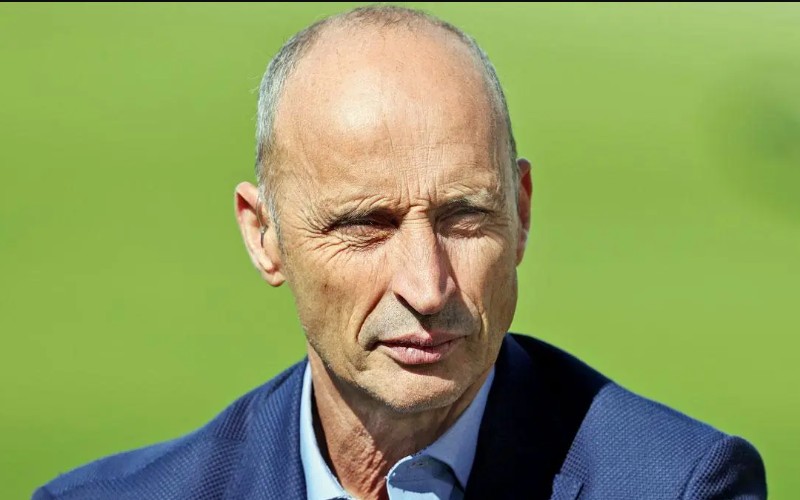
Speaking on a Sky Sports show, Hussain had praised Bangladesh for “sticking to their guns” and defended Pakistan’s stance in backing the Bangladeshi board. He also accused the ICC of hypocrisy, arguing that Bangladesh’s request to relocate matches would have been accommodated had India made a similar demand.
Nasser Hussain further urged the BCCI to acknowledge the “responsibility” that comes with its financial clout and work towards a more equitable global game. In his Sportstar column, Gavaskar pushed back against that narrative.
WATCH – KL Rahul’s Match-Winning Century Powers Karnataka To Famous Ranji Trophy Win Over Mumbai
“Then there are some others, especially from the old powers, for whom India replacing them as the power centre in the world game has never gone down well,” he wrote. He added that such voices were quick to question whether the ICC would have treated India differently, had it refused to play in a particular country.
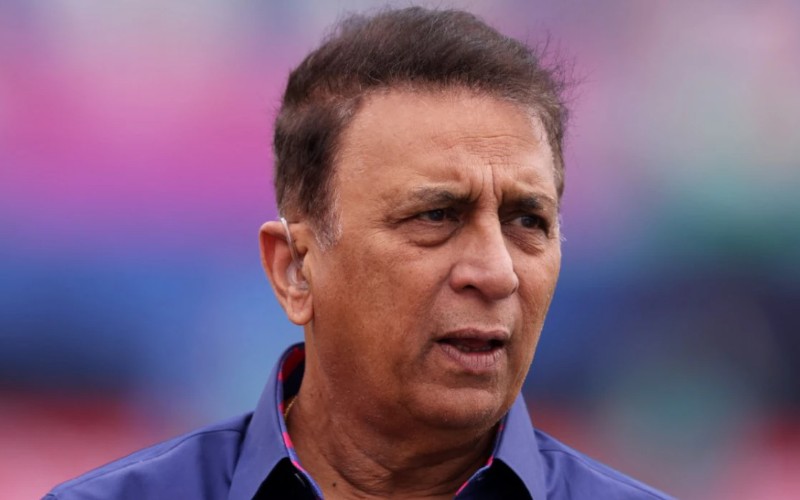
Gavaskar cited a recent precedent to counter the argument. “Well, India did say they were not going to Pakistan for the Champions Trophy last year, and the ICC arranged their fixtures in a neutral country, the UAE,” he noted. He underlined that India’s position had been communicated well in advance, stressing that no Indian government would permit players to tour Pakistan given long-standing security concerns.
The former opener broadened the debate by highlighting cricket’s history of double standards. He recalled Sri Lanka resuming tours of Pakistan after the 2009 terror attack despite unresolved security issues, while Australia refused to play in Sri Lanka in 1996 on safety grounds, and England skipped Zimbabwe in 2003 for political reasons without major repercussions.
WATCH – Brian Bennett’s Flying Catch vs Oman Lights Up T20 World Cup 2026 Opener For Zimbabwe
For Sunil Gavaskar, the ICC’s selective application of principle has long protected powerful boards, whether in matters of scheduling, governance or public criticism.
Sunil Gavaskar concluded with a sharp sporting reference to underline what he saw as misplaced accusations of “bullying” against India. “In the Under-19 World Cup final, Vaibhav Suryavanshi smashed 175 off 80 balls against England and took the game away,” he wrote, adding that such dominance on the field — not off-field narratives — was the only real form of “bullying.”