Pakistan’s cricket team will take the field against India in their highly anticipated ICC Men’s T20 World Cup 2026 clash on February 15, following a direct order from the country’s government. The decision marks a dramatic U-turn after Pakistan had earlier announced a boycott of the marquee fixture, citing geopolitical tensions and expressing solidarity with Bangladesh. The reversal brings relief to tournament organisers and fans, ensuring that one of cricket’s biggest rivalries will play out as scheduled.
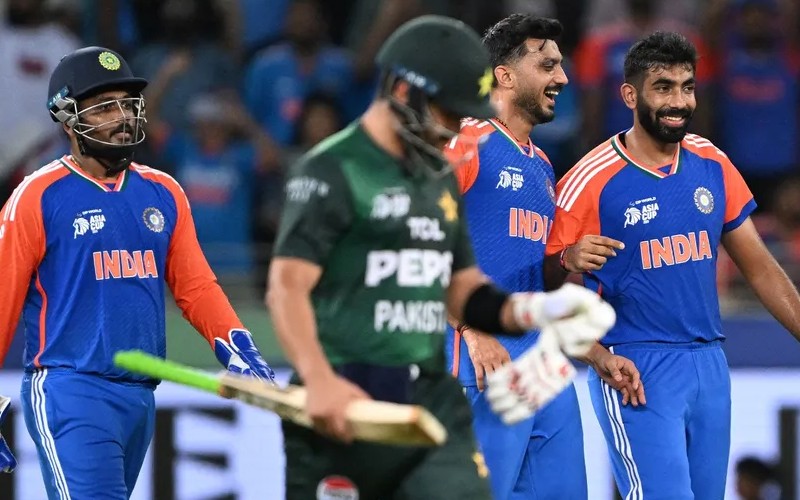
In an official statement released on Monday, the government confirmed its directive to the national team. “The government of Pakistan hereby directs the Pakistan team to take the field on February 15, 2026, for its scheduled fixture in the ICC Men’s T20 World Cup,” the statement said. The announcement came soon after PCB chairman Mohsin Naqvi briefed Prime Minister Shehbaz Sharif on his discussions with the International Cricket Council (ICC) and the Bangladesh Cricket Board (BCB).
Behind the scenes, intense diplomacy paved the way for the breakthrough. Senior ICC officials held reconciliatory talks in Lahore with BCB president Aminul Islam and Naqvi, aiming to defuse the standoff that threatened to derail the tournament’s most high-profile match.
ALSO READ: Sunil Gavaskar Hits Back At Nasser Hussain’s ‘Jaundiced’ View On Pakistan Boycott Row
Pakistan’s government said it reviewed formal requests from the BCB, along with supporting communications from Sri Lanka, the United Arab Emirates, and other member nations, all of whom urged a practical solution. Sri Lankan President Anura Kumara Dissanayake also reportedly spoke to Prime Minister Sharif, underlining the economic and sporting implications of a cancellation for the co-host nation.
Pakistan are scheduled to play all their World Cup matches in Sri Lanka, and the loss of an India–Pakistan game would have dealt a significant financial blow to the island nation’s tourism-driven economy. Broadcasters, sponsors and fans alike had raised concerns over the fallout of a potential no-show.
🚨 OFFICIAL STATEMENT FROM ICC
“The dialogue between ICC and PCB took place as part of a broader engagement with both parties recognising the need for constructive dealings and being united, committed and purposeful in their aspirations to serve the best interests of the game… pic.twitter.com/nrPbl1sIPf
— Cricbuzz (@cricbuzz) February 10, 2026
🚨 ICC STATEMENT ON BANGLADESH
The ICC has assured that Bangladesh Cricket will not face any long-term consequences despite skipping the T20 World Cup pic.twitter.com/3irOtZEHSh
— Cricbuzz (@cricbuzz) February 10, 2026
🚨 OFFICIAL STATEMENT FROM PAK GOVT.
“In view of the outcomes achieved in multilateral discussions, as well as the request of friendly countries, the Government of Pakistan hereby directs the Pakistan National Cricket Team to take the field on February 15, 2026, for its… pic.twitter.com/myIBkiPHWm
— Cricbuzz (@cricbuzz) February 10, 2026
The episode was triggered by the ICC’s unprecedented decision to remove Bangladesh from the tournament after the team declined to travel to India due to security concerns. Bangladesh were replaced by Scotland, prompting Pakistan to announce a boycott of their India fixture in a show of solidarity. The move shocked the cricketing world, as it marked the first time an India–Pakistan match in an ICC event was threatened with cancellation.
WATCH – KL Rahul’s Match-Winning Century Powers Karnataka To Famous Ranji Trophy Win Over Mumbai
Following days of backdoor negotiations, calls and meetings, the ICC confirmed that the match will go ahead as planned. In a brief statement, the global body said all members had agreed to respect their commitments and ensure the successful conduct of the T20 World Cup. The ICC also reiterated that Bangladesh would face no financial, sporting or administrative penalties and confirmed that the country will host an ICC event before the 2031 Men’s Cricket World Cup.
For now, focus returns to the cricket. With Pakistan’s boycott called off, fans can look forward to the blockbuster February 15 clash — a fixture that often defines World Cup narratives and carries significance well beyond the boundary ropes.