Rahul Dravid believes T20 cricket has entered a completely new era, with modern batters redefining the format at a pace bowlers are still struggling to match. The former India head coach and World Cup-winning legend admitted that the “grammar” of T20 batting has undergone a dramatic transformation in recent years, forcing bowlers worldwide to rethink their methods. Dravid, who guided India to their second ICC T20 World Cup title in 2024, shared his thoughts during an interaction with PTI in Dublin, where he was recently unveiled as the owner of the Dublin franchise in the upcoming European T20 Premier League (ETPL).
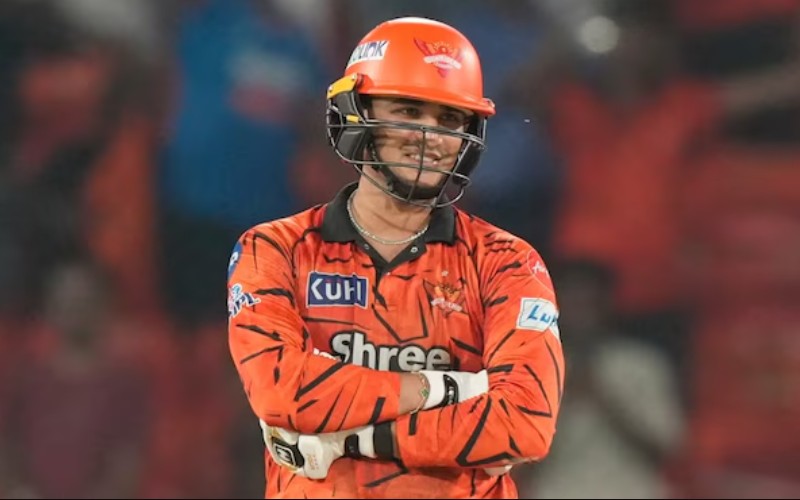
The former India captain highlighted the fearless batting approach adopted by a new generation of players in franchise cricket, particularly during the Powerplay overs. Young Indian talents like Vaibhav Suryavanshi, Ayush Mhatre and Priyansh Arya were specifically mentioned by Dravid, alongside the world’s No. 1-ranked T20 batter, Abhishek Sharma.
According to Rahul Dravid, the attacking mindset of modern batters has completely changed the dynamics of white-ball cricket. “To see the quality of batting that has happened over the last two or three years, I think the bowlers in that format of the game will slowly have to do some catching up,” Dravid said.
ALSO READ: Sanjay Manjrekar Urges MI To Replace Hardik Pandya With Jasprit Bumrah As Captain
The batting legend was particularly impressed by the range and power modern players now possess. He explained that batters are consistently finding boundary options in areas of the ground that were once considered impossible to target regularly.
“I think batsmanship and the ability to hit sixes and access different parts of the ground has improved leaps and bounds,” he added. Dravid, who has also coached IPL franchises like Rajasthan Royals and Delhi Capitals, admitted that batters currently hold a clear advantage in T20 cricket. However, he remains optimistic that bowlers will eventually evolve and find solutions.
VIDEO | Former India coach Rahul Dravid and owner of Dublin Guardians in the European T20 Premier League on the evolution of T20 batting with batters having more sway over bowlers.
“Obviously, it’s been very exciting. I think, in a sense, seeing the quality of batting over the… pic.twitter.com/PZlSDVIyk3
— Press Trust of India (@PTI_News) May 12, 2026
“I think if you look at it in terms of balance, probably a lot more batsmen are able to cope with the requirements of the modern T20 game than some of the bowlers have been able to at this point of time,” he observed.
Despite concerns around the dominance of batting in white-ball cricket, Dravid pointed out that the balance in Test cricket currently favours bowlers. The former India coach noted that result-oriented Test matches and shorter games indicate bowlers are still capable of controlling contests in the longer format.
ALSO READ: Rahul Dravid Becomes Owner Of Dublin Franchise In New European T20 League
“If you look at Test cricket today, nearly every Test match produces a result. Bowlers are probably holding sway in some of the matches we are seeing,” he explained. Dravid also acknowledged that playing surfaces have become increasingly batting-friendly in T20 cricket, making life even tougher for bowlers. He suggested that curators may need to prepare more challenging wickets offering pace, bounce or turn to restore balance in the format.
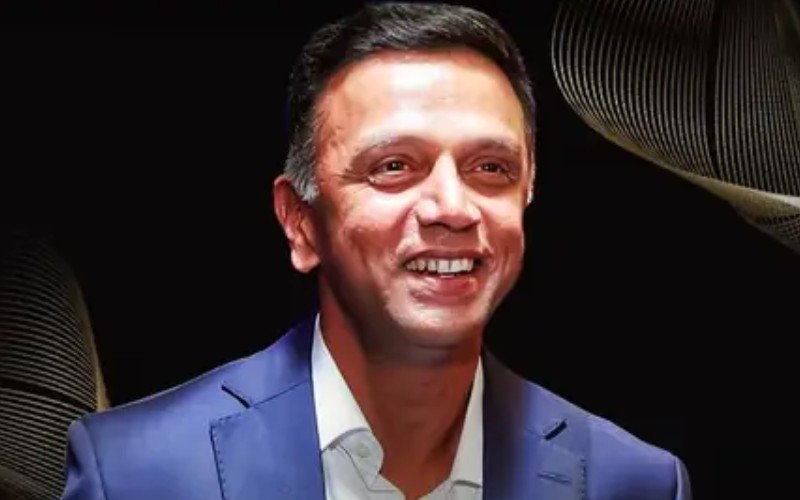
“They may need a little bit of support. Probably having more challenging wickets would ensure there is something in it for the bowlers,” Dravid said. At the same time, he stressed that cricket should never become excessively tilted towards either batters or bowlers. The former India skipper believes the sport works best when there is a healthy contest between bat and ball, rather than one discipline completely overpowering the other.
Interestingly, Dravid avoided giving strong opinions on possible rule changes like allowing two bouncers per over, but admitted any adjustment that helps bowlers compete more effectively deserves consideration.
With batting standards reaching unprecedented levels in modern T20 cricket, Dravid’s comments reflect a growing conversation within the game about how bowlers can adapt and survive in an era dominated by fearless strokeplay and relentless aggression.