Vaibhav Sooryavanshi’s extraordinary IPL 2026 campaign has not only earned him a place in the Indian national team but has also sparked a wider debate about the balance between bat and ball in modern cricket. The 15-year-old batting sensation finished the season with staggering numbers — 776 runs in 16 innings, 64 fours, 72 sixes, and a remarkable strike rate of 237.31 — to claim the Orange Cap and emerge as one of the biggest stories in the tournament’s history.
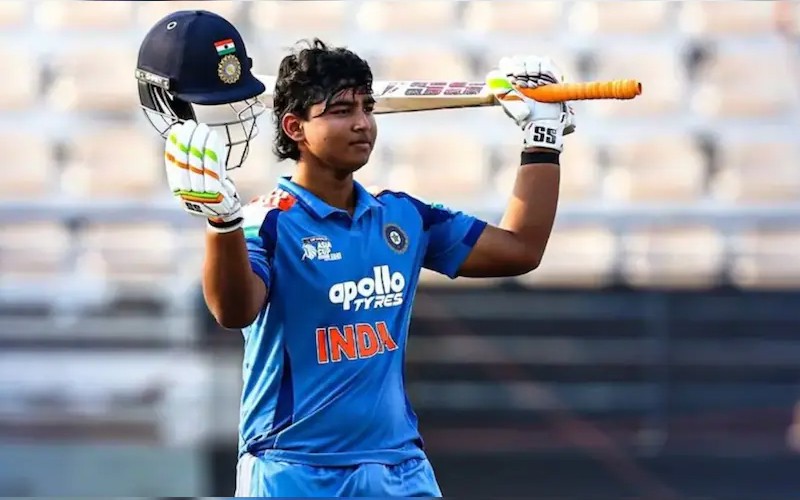
For most cricketers, such numbers would represent the peak of a career. For Sooryavanshi, they came during his first full IPL season. His fearless approach against some of the world’s finest bowlers, including Jasprit Bumrah, Pat Cummins, Mitchell Starc, and Josh Hazlewood, left cricket fans and experts in awe. The teenager’s performances played a major role in securing his maiden India call-up for the upcoming white-ball assignments.
However, while many have celebrated his rise, former Australia captain Greg Chappell believes Sooryavanshi’s success also highlights a growing issue within the sport. Writing in his ESPNcricinfo column, Chappell argued that modern cricket has become increasingly tilted in favour of batters, making life significantly harder for bowlers. “If a child who has barely completed his physical development can step onto the global stage and effortlessly humiliate elite international bowlers, it exposes a systemic illness within the sport,” Chappell wrote.
ALSO READ: Kevin Pietersen Sends Strong Message After Stokes and Atkinson Investigation
The Australian great clarified that his criticism was not aimed at Sooryavanshi. Instead, he believes the teenager’s dominance is evidence of how conditions, equipment, and playing environments have evolved to heavily favour aggressive batting.
“Sooryavanshi is the ultimate canary in the coal mine, showing us that the modern environment has been engineered to make bowling extinct. The combination of hyper-engineered bat technology, drastically shortened boundary ropes, and completely lifeless, flat pitches has swung the game monstrously in favour of batters,” he said.
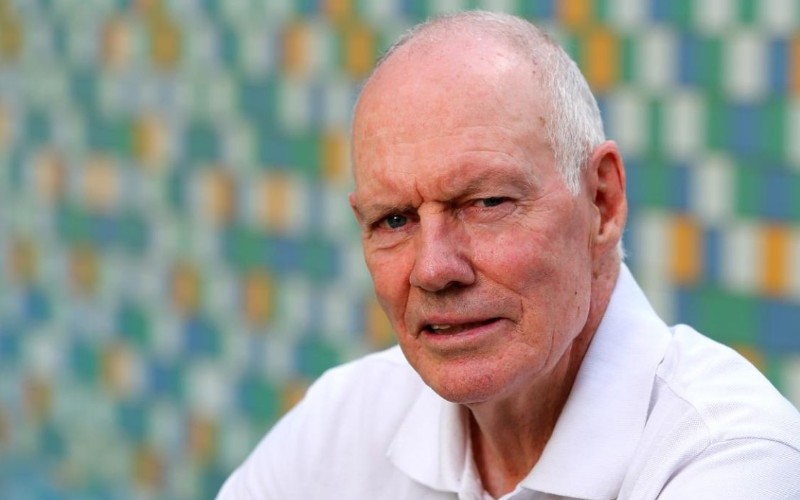
According to Chappell, the growing emphasis on six-hitting is slowly removing the tactical depth that once made T20 cricket compelling. He argued that the art of rotating strike, building partnerships, and engaging in strategic battles against bowlers is gradually disappearing from the format. “The nuanced art of running between wickets has been virtually eradicated, and the strategic chess match between captain, bowler and batter has been replaced by frictionless hitting,” Chappell observed.
To address the imbalance, Chappell proposed several bold changes. Among them was limiting teams to six wickets per innings in T20 cricket, forcing batters to think more carefully about risk and reward. He also suggested preparing pitches with a minimum of 3mm of live grass and creating surfaces that assist both seamers and spinners.
ALSO READ: ‘Too Much Advice Can Clutter the Mind’: Sitanshu Kotak On Vaibhav Sooryavanshi
Additionally, Chappell called for changes to the lbw law, proposing that any ball projected to hit the stumps should result in a dismissal regardless of where it pitches.Despite his concerns, Chappell emphasized that creating tougher conditions would not diminish the achievements of emerging stars like Sooryavanshi. Instead, he believes it would make their success even more meaningful.
“By altering the laws to empower the bowler, we do not diminish the genius of young stars like Sooryavanshi; we enhance it. True greatness is only forged when it overcomes a genuinely formidable obstacle,” Greg Chappell concluded. As Sooryavanshi prepares for the next chapter of his career in Indian colours, his remarkable rise continues to captivate the cricketing world while also reigniting one of the sport’s oldest debates — how to maintain a fair contest between bat and ball.