Former India player Ajinkya Rahane has lashed out at the team management over the lack of opportunities for veteran India spinner Kuldeep Yadav. Rahane also feels Kuldeep has developed his game over the last few years, but his rhythm has been affected by being dropped from the team frequently. Kuldeep picked up two wickets in the first innings of the three-day warm-up match against Sri Lanka Cricket XI but did not get to bowl in the second, with pace bowler Auqib Nabi replacing him in the line-up as well.
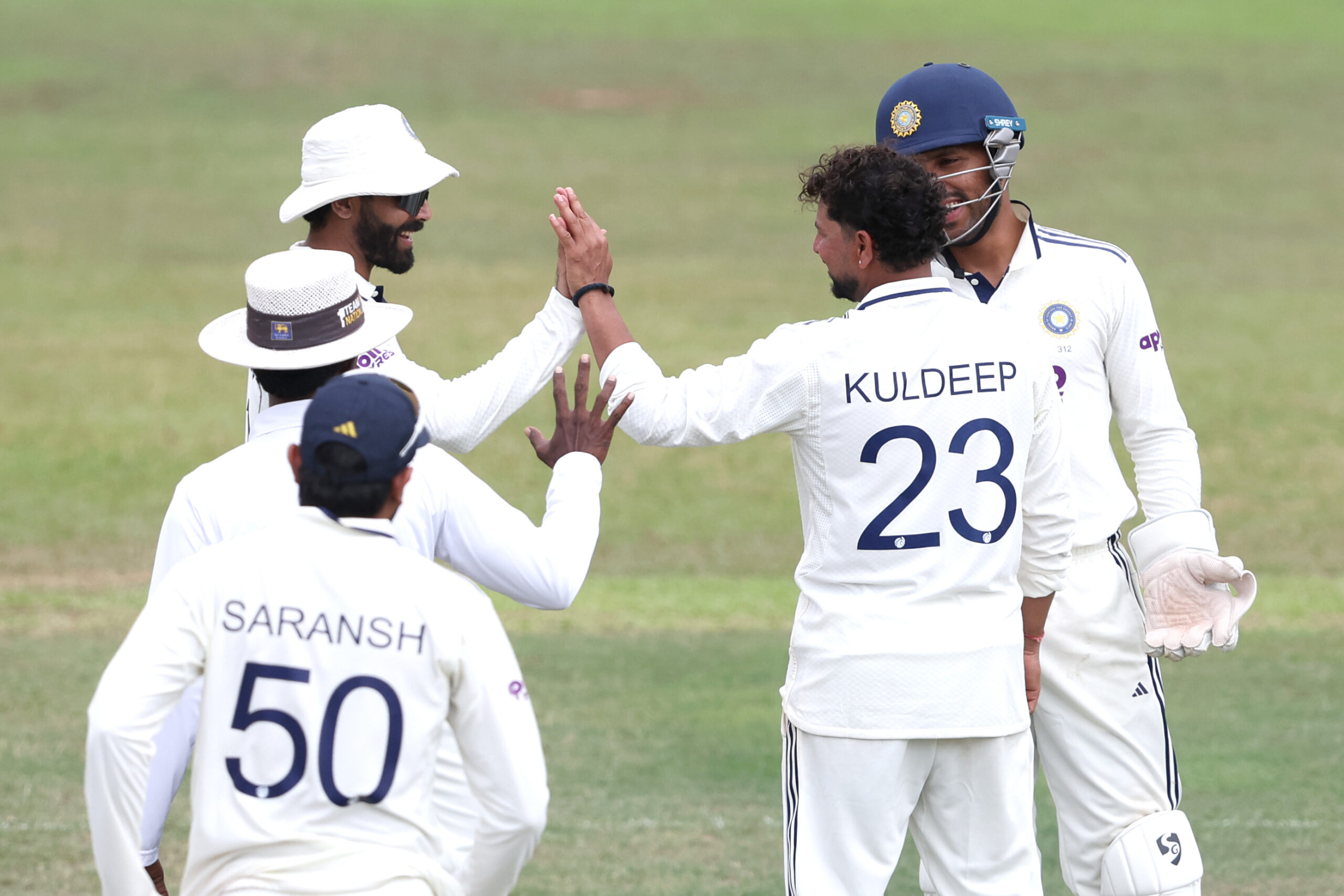
“I think Kuldeep has developed his game over the last four or five years. He has worked on his speed in the air. It is tough for any player who is in and out of the playing XI because cricket is all about rhythm, whether you are batting or bowling,” Rahane told The Indian Express.
Ajinkya Rahane also suggested that Kuldeep Yadav is a match-winner, but the current team management hasn’t shown enough faith in him as well. He also recalled Kuldeep’s Test debut in 2017, when he scalped four wickets against Australia in Dharamsala while Rahane was the stand-in captain as well.
READ HERE: Shubman Gill Breaks Silence On ODI Futures Of Rohit Sharma And Virat Kohli
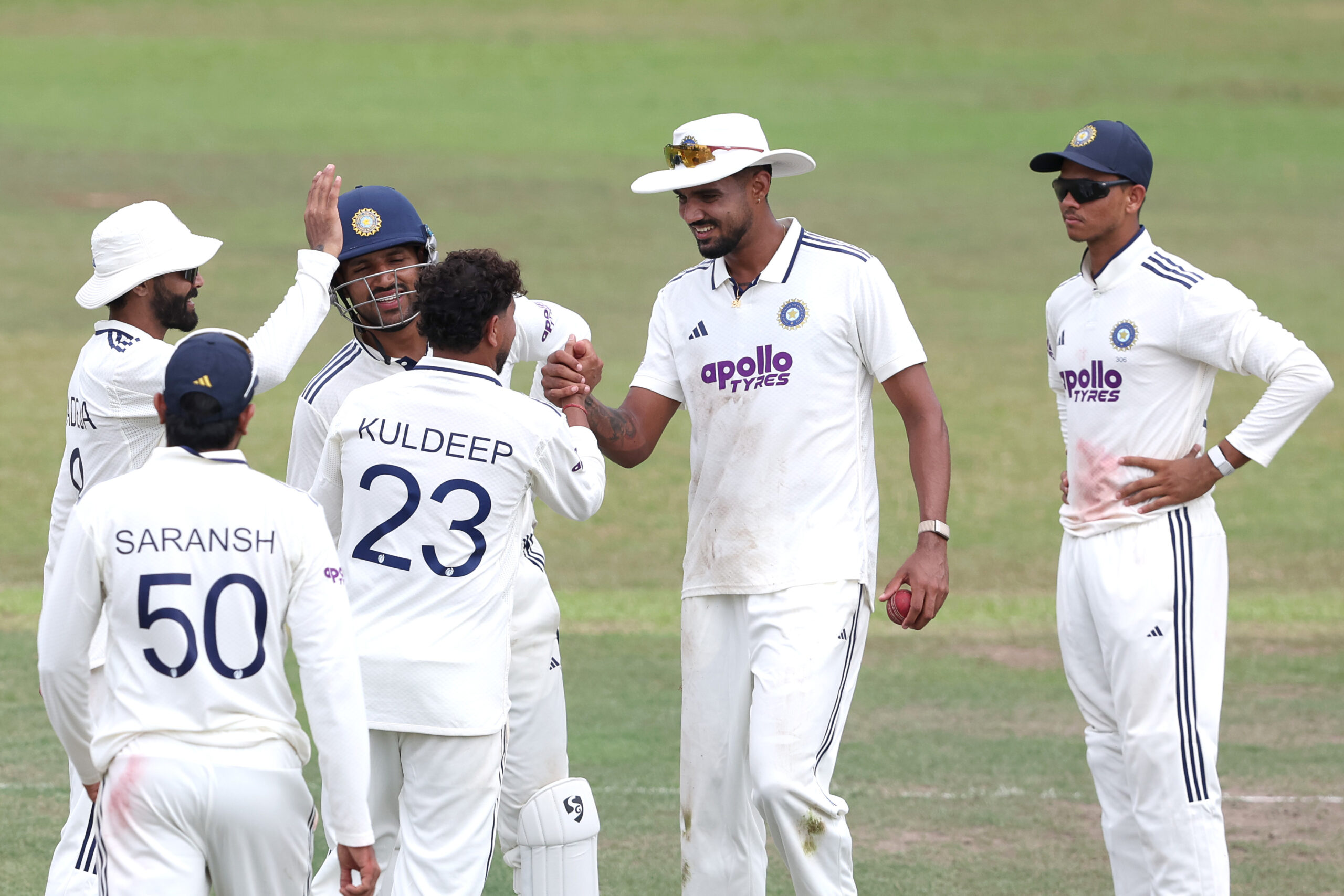
“Kuldeep is a quality spinner. That is why I backed him in Dharamsala. I knew he was a wicket-taker. Even though he was inexperienced at the time, I believed throwing him into that situation would help, because I was confident he would perform. You need to back your players, especially when they are match-winners. It is not easy when you play one Test and then sit out the next four or five. Rhythm is very important, particularly for bowlers,” he further shared.
“Every day, the ball doesn’t come out of your hand the same way. By playing continuously, you gradually find that rhythm and perform consistently. I am really happy with Kuldeep’s improvement. Whenever he got opportunities in white-ball cricket, he did really well. He is much more confident now. At the same time, it is tough for him because he has not consistently got enough opportunities,” Ajinkya Rahane concluded.