There is something timeless about the Galle International Cricket Stadium. Overlooking the ground is the historic Galle Fort, with its centuries-old ramparts providing one of the most iconic backdrops in Test cricket. Beyond the walls, the Indian Ocean adds to the atmosphere, making Galle one of the most picturesque venues in the sport. The stadium’s charm also comes from how closely it remains connected to its surroundings.
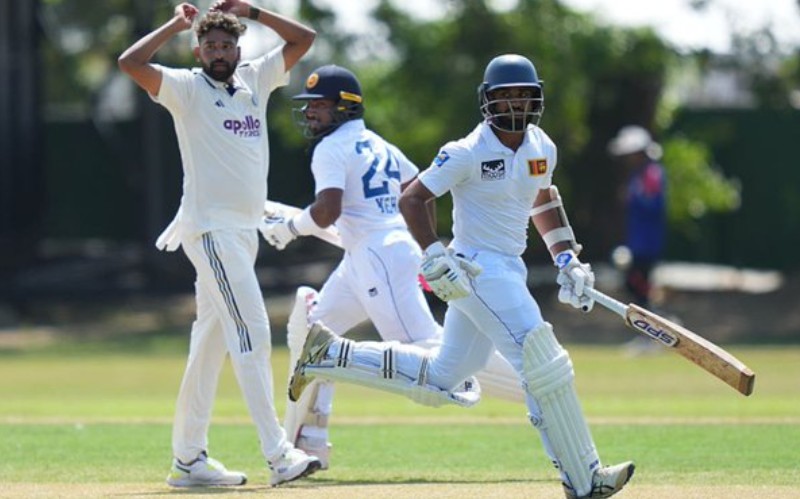
Unlike modern cricket grounds that can feel isolated from the outside world, Galle has relatively low stands, allowing spectators to see the traffic and activity along Colombo Road while the Test unfolds. The venue feels like part of the city rather than a structure built separately for cricket. However, Galle’s significance goes well beyond its beauty. The first Test between India and Sri Lanka, beginning on Saturday, will be the 50th Test match at the venue, making it the most-used Asian venue for Test cricket.
For India, the landmark occasion comes at an important stage of their World Test Championship campaign. Captain Shubman Gill has already simplified India’s WTC equation, with the team needing six or seven wins from their remaining nine Tests to stay firmly in contention for the final. The Sri Lanka series, therefore, offers an opportunity to rebuild momentum after a difficult period.
ALSO READ: Harbhajan Singh Reveals How To Stop Vaibhav Sooryavanshi, Urges Bowlers To Attack
Sri Lanka will also take confidence from India’s recent struggles against spin. South Africa demonstrated last year that India can be challenged in home-like conditions, while the absence of Jasprit Bumrah could further strengthen the hosts’ belief. For India’s batters, Galle presents an opportunity to change the narrative surrounding their performance against spin. The surface is expected to offer good batting conditions initially, although increasing turn and bounce could test patience as the match progresses.
What to expect: Galle is likely to be hot and humid, with scattered rain potentially interrupting play. The venue’s proximity to the ocean also brings crosswinds that can help spinners generate additional drift. Batters should enjoy the first couple of days, but patience, concentration and shot selection could become increasingly important as the Test develops.
Sri Lanka
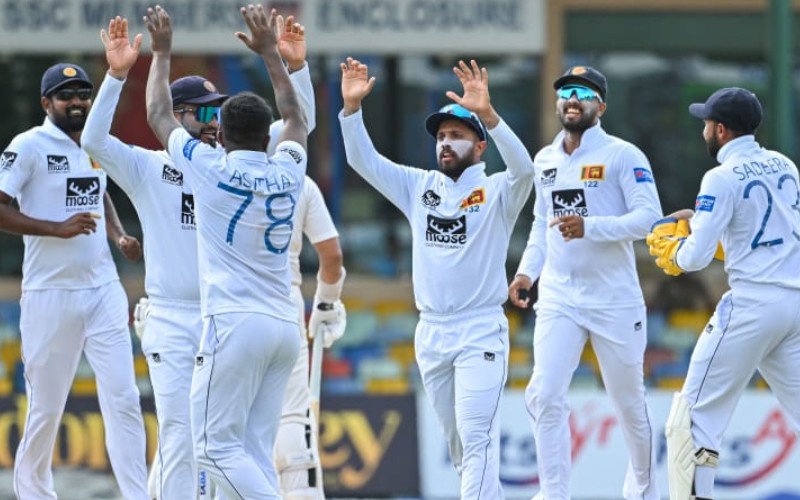
Sri Lanka are likely to promote Lahiru Udara to the top of the order after Pathum Nissanka’s injury. Udara also opened in the second Test against West Indies. Meanwhile, Niroshan Dickwella could make his first Test appearance since March 2023 after returning to the squad as a replacement for the injured Kusal Mendis. Off-spinner Keshara Nuwantha is another player in contention after impressing during the warm-up match, where he dismissed India batters KL Rahul, Shubman Gill and Rishabh Pant.
Probable XI: Nishan Madushka, Lahiru Udara, Dinesh Chandimal, Kamindu Mendis, Dhananjaya de Silva (c), Niroshan Dickwella (wk), Sonal Dinusha, Keshara Nuwantha, Prabath Jayasuriya, Lahiru Kumara, Vishwa Fernando
India
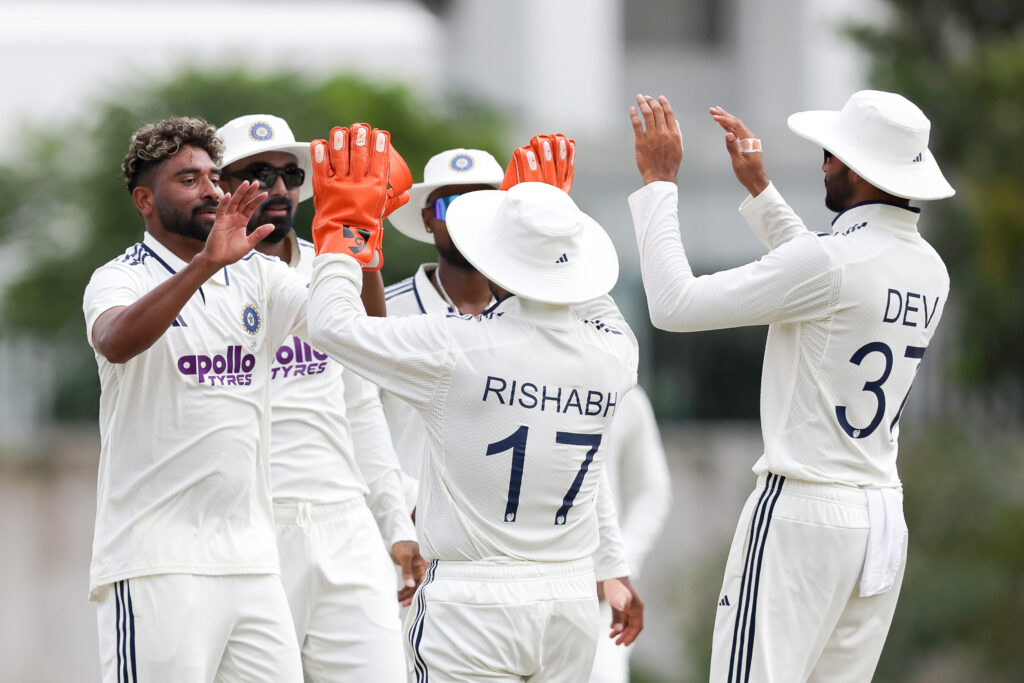
India’s strongest training session two days before the Test suggested that Dhruv Jurel is likely to get the nod ahead of Sarfaraz Khan, who was added to the squad after Sai Sudharsan’s injury. The third-spinner decision also appears clearer, with Shubman Gill strongly indicating that Manav Suthar is ahead of Saransh Jain. Suthar impressed on debut against Afghanistan and continued that form in the warm-up game. The final pace-bowling spot could be a closer contest between Gurnoor Brar and Prasidh Krishna.
Probable XI: Yashasvi Jaiswal, KL Rahul, Devdutt Padikkal, Shubman Gill, Dhruv Jurel, Rishabh Pant, Ravindra Jadeja, Manav Suthar, Kuldeep Yadav, Mohammed Siraj, Prasidh Krishna/Gurnoor Brar