Danielle McGahey knows better than most what it feels like to have a cricketing dream placed under intense public scrutiny. Nearly three years after becoming the first transgender cricketer to feature in an official international match, McGahey saw her international career come to an end following a change in the International Cricket Council’s (ICC) eligibility regulations. Now, as Cricket Australia provides Anaya Bangar with a pathway to pursue elite women’s cricket from March 2027, McGahey has publicly expressed her support for the Indian cricketer.
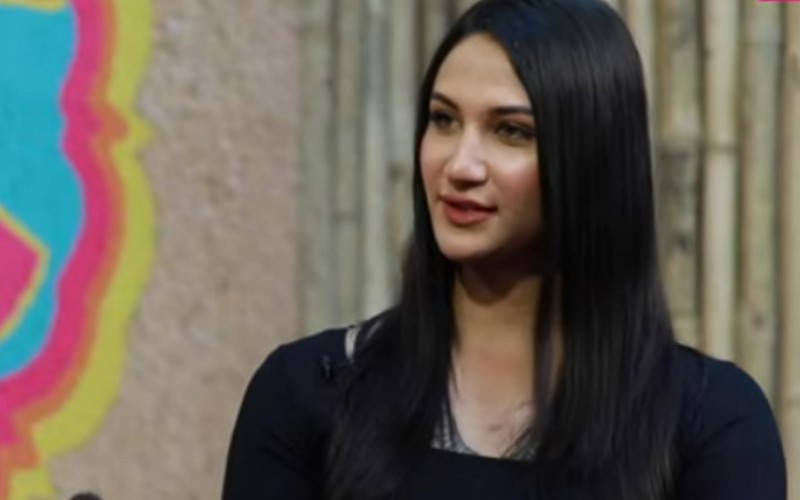
“I want to express my full support for Anaya. I’m incredibly proud of her for continuing to pursue the sport she loves while facing an enormous amount of public scrutiny,” Danielle McGahey told India Today in an exclusive interview. McGahey represented Canada at international level before the ICC introduced its revised transgender participation policy in November 2023. Her own experience has created a strong personal connection with the scrutiny Bangar is currently facing.
Under Cricket Australia’s current domestic framework, Bangar can play Premier Cricket before potentially becoming eligible for elite domestic competitions, subject to meeting the relevant requirements. Her possible route could eventually take her from Premier Cricket to elite domestic cricket and, potentially, the Women’s Big Bash League. However, eligibility alone does not guarantee selection or a professional contract.
The situation also highlights the differing policies adopted by cricket’s governing bodies. Cricket Australia has a testosterone-based eligibility framework for domestic competitions, while the ICC applies stricter regulations to international women’s cricket.
ALSO READ: BCCI Seeks IPL Franchises’ Feedback On Impact Player Rule Ahead Of IPL 2027
The ICC’s current policy states that transgender women who have experienced male puberty are not eligible to participate in international women’s cricket, irrespective of surgery or gender reassignment treatment. The regulation was approved in November 2023 after a nine-month consultation process.
McGahey believes discussions surrounding transgender participation should be informed by scientific research rather than assumptions about transgender athletes. She argued that hormone therapy can lead to significant changes in physiological characteristics associated with sporting performance. The debate has also attracted criticism from some prominent cricketers. South Africa international Marizanne Kapp has publicly questioned Cricket Australia’s decision, describing it as “absolutely ridiculous”.
🚨 “TRANS WOMEN BELONG IN WOMEN’S SPORT”
Former cricketer has thrown her support behind Anaya Bangar’s return to women’s cricket.
Read more 👇#anayabangarhttps://t.co/NoUt6RjgZU
— Times Now Sports (@timesnowsports) August 29, 2026
The contrasting opinions underline the complex challenge facing sporting authorities as they attempt to balance inclusion, competitive fairness and eligibility regulations. For McGahey, however, the issue is deeply personal. Born in Australia, she moved to Canada and made history in September 2023 when she played her first T20I against Brazil. She went on to represent Canada in six T20Is, scoring 118 runs at an average of 19.66, with a highest score of 48.
McGahey had initially been cleared to play under the ICC’s then-existing regulations. However, the governing body’s policy change on November 21, 2023, effectively ended her international career.
ALSO READ: Hardik Pandya Nears Full Fitness, Set To Return For Afghanistan Series
Reflecting on Bangar’s situation, McGahey said she was disappointed to see the young cricketer facing ridicule and hostile commentary similar to what she experienced. She stressed that disagreements over sporting regulations should not become personal attacks and urged people to treat Bangar with dignity and respect.
For Bangar, the immediate objective remains cricket: returning to competitive action, improving her game and earning opportunities through performances. For McGahey, her journey represents a struggle she knows personally — pursuing a sporting dream while questions about eligibility and identity extend far beyond the cricket field.