The opening Test between Australia and South Africa has been heavily affected by bad light, with nearly 61 overs lost across the first three days. Although Australia have controlled much of the contest and remain in a strong position heading into the fourth day, the significant loss of playing time has increased the possibility of a draw.
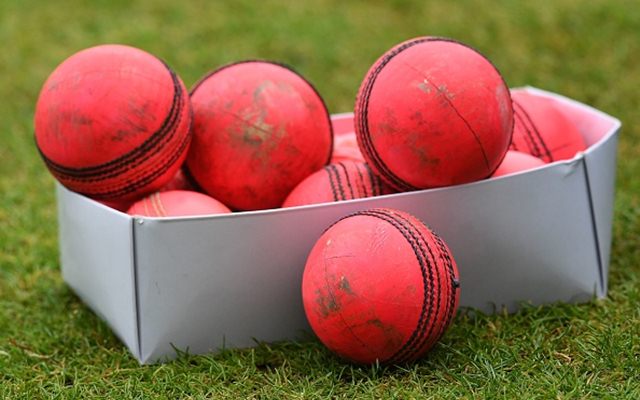
Amid the interruptions, former South African fast bowler Shaun Pollock has renewed his call for the introduction of the pink ball in daytime Test cricket. He believes the ball’s improved visibility in fading light could help matches continue for longer and reduce the number of overs lost to poor conditions.
The debate intensified on the third day when Nic Maddinson flicked a delivery towards the square-leg boundary. Ryan Rickelton, positioned in the deep, failed to spot the ball as it sailed over his head for a six. Following the incident, the umpires checked the light meter before deciding to suspend play due to insufficient light and call stumps.
ALSO READ: ICC Punishes West Indies Players Rovman Powell and Sherfane Rutherford After India T20I
Shaun Pollock, who was part of the ICC committee that recommended the use of pink balls in daytime Tests, believes the format deserves greater consideration. According to him, using the pink ball in matches affected by fading light could help preserve valuable playing time. “The pink ball would have meant we played 45 more overs of Test cricket, and that is why I am keen to introduce it, and not just for day-night games,” Pollock was quoted as saying by Hindustan Times.

At present, the pink ball is primarily used in day-night Test matches. However, these games have often produced relatively low scores, contributing to concerns that the ball generates excessive movement and gives fast bowlers an unfair advantage.
Pollock believes such criticism can depend heavily on the match situation rather than the ball itself. He argued that similar performances could lead to different explanations depending on whether a team was struggling or recovering with the bat. “They say it moves too much. If Australia were 124/6 and we were using the pink ball, everyone would have said it was the pink ball’s fault,” he said.
ALSO READ: Dinesh Karthik Backs Kuldeep Yadav’s Inclusion For India vs West Indies 4th T20I
Shaun Pollock also pointed out that criticism could continue even if Australia recovered from 124/6 to post 390 runs, with observers potentially blaming the ball for becoming softer. His comments have reopened the debate about whether the pink ball should be used beyond day-night Tests. With lost overs continuing to affect Test matches, the proposal offers a potential alternative, although its impact on playing conditions and the balance between bat and ball would require careful consideration.