India batting coach Sitanshu Kotak has defended the team management’s decision to leave Mohammed Siraj out of the playing XI for the opening Test against New Zealand in Wellington. The selection call attracted considerable attention even before the first ball was bowled on Thursday, with former India captain Sunil Gavaskar openly questioning the decision to omit the experienced fast bowler. India opted for a four-pronged pace attack featuring Jasprit Bumrah, Prasidh Krishna, Akash Deep and Anshul Kamboj.

However, the absence of Siraj, one of India’s most experienced fast bowlers in recent years, became a major talking point among cricket experts and fans. Sunil Gavaskar was particularly critical of the decision, but Kotak maintained that the selection was made after considering the requirements of the entire five-day contest rather than focusing exclusively on the opening day’s conditions.
“There is nothing wrong with Siraj. We thought this was the best XI when we picked the side. I don’t think dropping Siraj was a wrong decision. This is just the first day. We don’t pick a team only for day one, but also for days two, three and four,” Sitanshu Kotak told reporters.
WATCH – Tom Latham Reacts to GTA 6 Hype, Says New Zealand Players Must Stay Focused on Cricket
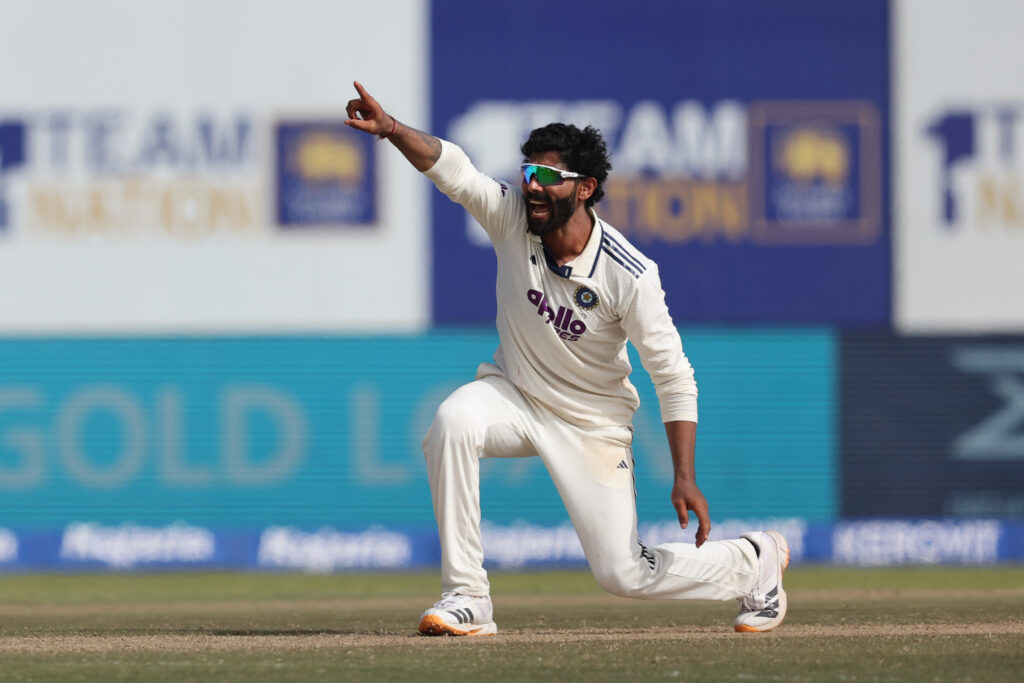
The batting coach also explained India’s decision to include Washington Sundar ahead of Ravindra Jadeja. According to Kotak, New Zealand’s batting combination played an important role in the selection process, particularly because the hosts had four left-handed batters among their top-order options.
India believed Sundar’s off-spin could provide a useful option against the left-handers, making him a suitable addition to the bowling attack for the Wellington Test. “We preferred Washy as their top order had four left-handers. For this match, this is the best possible bowling attack,” Sitanshu Kotak explained.
India initially appeared to have made the right call as their fast bowlers exploited the conditions and reduced New Zealand to 60/4 after 23 overs. Jasprit Bumrah led the attack, putting the hosts under considerable pressure during the opening session.
However, the Indian bowlers struggled to maintain the same intensity once the Kookaburra ball lost its shine after the 30th over. New Zealand took advantage of the changing conditions, with Henry Nicholls and Glenn Phillips producing an impressive recovery through an unbeaten partnership. Nicholls finished the opening day unbeaten on 113, while Phillips remained not out on 94, helping New Zealand recover to 243/5 at stumps.
ALSO READ: Yuzvendra Chahal Creates History, Becomes First Indian To Claim 400 T20 Wickets
Questions were also raised about Anshul Kamboj’s bowling speed, as the young pacer generally operated between 126 and 130 kmph. However, Sitanshu Kotak dismissed suggestions that his pace would become a significant concern, insisting that the speed was perfectly acceptable. “Yes, pace matters only in the third spell. Kamboj’s speed is 130, 128, maybe a few balls at 126. That’s fine,” he said.
Kotak also backed Prasidh Krishna, acknowledging that the Karnataka pacer follows an aggressive approach that can sometimes result in expensive spells. He argued that judging an attacking bowler solely on the runs conceded would be unfair, particularly when his approach is designed to create wicket-taking opportunities.
“Prasidh, we know, is an attacking bowler and we know he would go for a few runs. When he gets wickets, we like it. When he gets hit, we don’t like it. That’s an unfair way to look at him,” Sitanshu Kotak added.

Meanwhile, reflecting on New Zealand’s recovery, Kotak credited the home batters for adapting intelligently to the conditions. He explained that the sunny weather caused the moisture on the pitch to evaporate faster than anticipated, reducing the assistance available to India’s seamers.
He also highlighted how the new ball offered considerably more movement, while New Zealand’s batters showed discipline against India’s spin options instead of taking unnecessary risks. “Since the weather was good and it was a sunny day, the moisture dried up quicker than it happens. They batted well. Give them credit. They didn’t even chance against the spinner. The new ball had more help for the bowlers,” Sitanshu Kotak concluded.
India’s decision to leave out Mohammed Siraj will remain an important talking point as the Wellington Test progresses, particularly if the pitch begins offering more assistance to the fast bowlers in the coming days.