India’s balance ahead of the T20 World Cup 2026 has sparked debate, but the absence of a heavy quota of right-handed batters is not a fatal flaw, according to many analysts. If Ishan Kishan opens with Abhishek Sharma and Tilak Varma slots at No.3, India could trot out a left-handed top order — and that configuration can be a major asset, not a weakness.
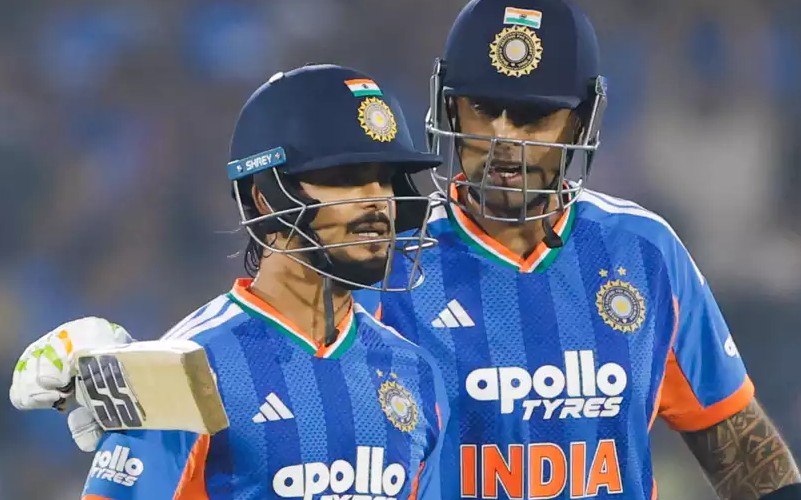
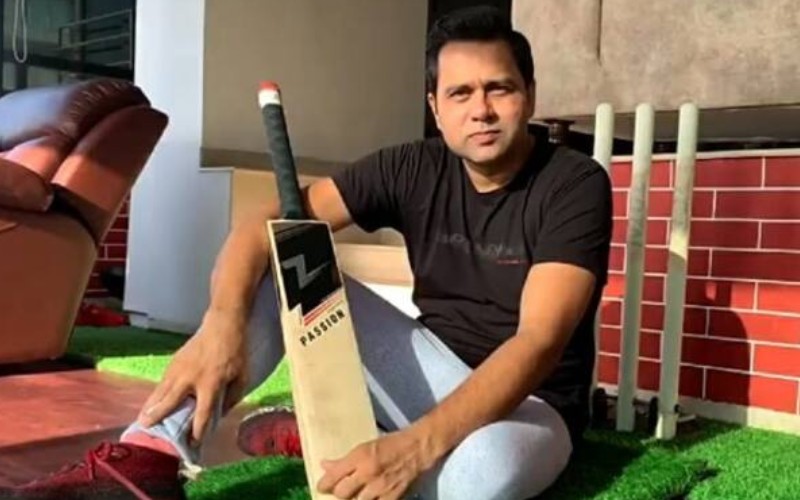
The concern being aired is simple: should India front up to the tournament with only two recognised right-handers in the top eight — Suryakumar Yadav and Hardik Pandya — does that make their batting predictable? Aakash Chopra dismissed that line of thinking. The reality, he argues, is that teams should pick the best XI, regardless of handedness, and use tactical tweaks to disrupt opposition plans.
Left-right combinations help disrupt bowlers’ lines, but modern teams win by playing their strongest eleven. Aakash Chopra pointed out India won the 2024 T20 World Cup with a right-handed order, proving balance is flexible. Roles can be shuffled: push an all-rounder up, promote Axar Patel into the mix when needed, or slot in a left-right pivot to break a bowler’s rhythm.
ALSO READ: Sanjay Manjrekar Says India vs Pakistan Is “No Contest” Anymore, Backs Tougher Rivalries
Where concerns remain, Aakash Chopra says, are the usual T20 vulnerabilities: a sudden top-order collapse, fielding lapses and the impact of dew in night games. “You could have a bad day and be 25 for 3 or 25 for 4,” he noted — scenarios that can test any batting line-up. But he believes India’s depth of strokemakers and bowling resources blunt those risks.
The takeaway for selectors is straightforward: back form and balance over ideological debates about handedness. Keep a bench with tactical options — a left-hander, a finisher who can bat in multiple slots, plus a utility spinner. If India manages that, the question of handedness will be academic.
ALSO READ: Indian Umpire Backs Usman Tariq As Usman Khawaja Defends Pakistan Spinner Over Bowling Action Debate
In short, India’s setup looks robust. Handedness is a piece of the puzzle, not the whole puzzle. For a side chasing back-to-back success, flexibility, clear roles and backing players through slumps matter more than whether the top eight is dominated by left or right-handers.