The Board of Control for Cricket in India (BCCI) has officially barred cryptocurrency companies and online gaming firms from bidding for the coveted lead sponsorship rights of the Indian cricket team. This high-profile sponsorship, which places a company’s logo on the front of Team India’s jersey, is one of the most sought-after branding opportunities in world cricket. However, BCCI’s latest move reflects a tighter regulatory environment and the shifting business landscape surrounding Indian sports sponsorships.
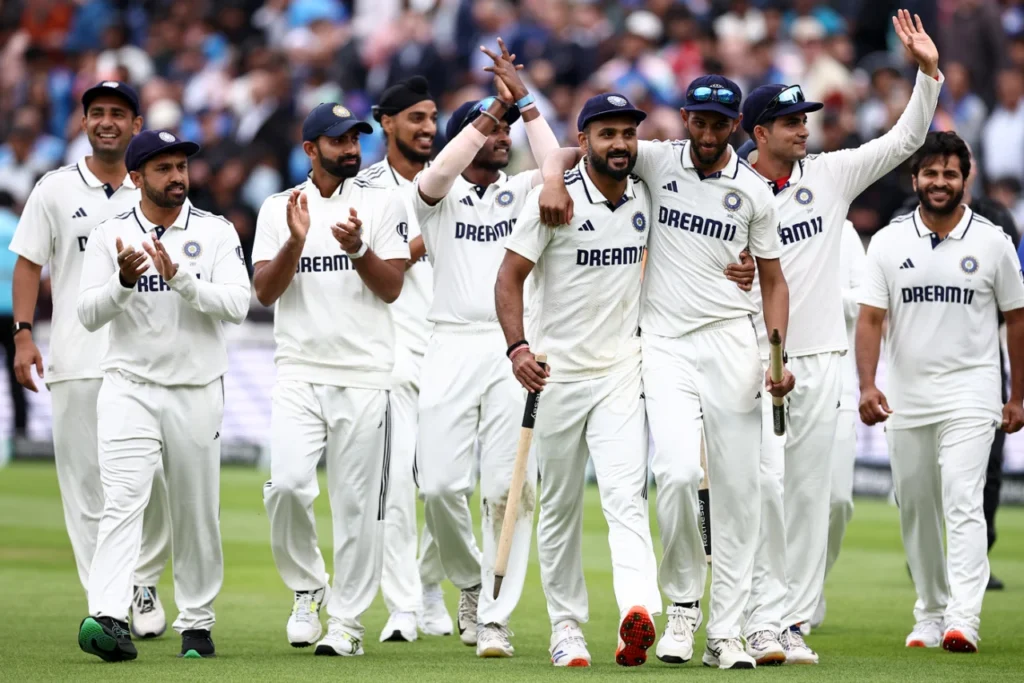
In a detailed notice released on September 2, 2025, the BCCI outlined strict eligibility criteria for prospective sponsors. Among the most notable restrictions, firms engaged in online money gaming, betting, gambling, or cryptocurrency businesses—directly or indirectly—have been disqualified from applying. The decision comes in the wake of India’s Promotion and Regulation of Online Gaming Act 2025, which has already forced several gaming platforms to shut operations or scale back investments.
To ensure only financially sound and credible brands bid for the sponsorship, the BCCI also mandated that applicants must have a minimum annual turnover of ₹300 crore. Interested entities have until September 16, 2025, to submit their proposals; however, this strict timeline has raised questions about whether Team India will enter the upcoming Asia Cup 2025 without a primary jersey sponsor.
WATCH – Irfan Pathan’s Explosive Revelation On MS Dhoni: “I Wasn’t the Player To Set Up Hookah”
The need for a fresh sponsor comes after Dream11, a fantasy sports giant, abruptly terminated its deal on August 25, 2025—almost a year ahead of schedule. The company cited significant financial setbacks caused by the new gaming laws. This exit marks a continuation of a turbulent trend for BCCI sponsors, many of whom have faced controversies, economic troubles, or geopolitical pressures.
Who cannot bid for the Lead Sponsorship?
BCCI’s notification left no room for ambiguity:
- Online Gaming & Betting Firms: Companies offering betting, gambling, or real-money gaming services—whether in India or abroad—are barred, along with those holding investments in such entities.
- Cryptocurrency Companies: Businesses involved in crypto exchanges, trading, tokens, or related ventures are also disqualified.
- Multi-Category Brands: If a bidder operates in restricted sectors like alcohol, tobacco, betting, insurance, or certain banking services, they cannot submit bids under those categories.
- Surrogate Branding: Any attempt to indirectly enter the sponsorship race through alternative logos, brand names, or entities is prohibited.
The #BCCI invited bids for the Indian cricket team’s title sponsorship rights after fantasy sports giants #Dream11‘s pullout and barred companies dealing in real money gaming and cryptocurrency from the process due to a government ban on such entities.https://t.co/uCKF360qrR
— The Hindu (@the_hindu) September 2, 2025
This isn’t the first time BCCI sponsors have faced turbulence. Sahara, India’s first high-profile cricket sponsor, collapsed in 2011 amid SEBI’s scrutiny, while Star India’s dominant run between 2014 and 2017 ended with antitrust challenges. Chinese brand Oppo exited due to diplomatic tensions, and Byju’s, once hailed as India’s biggest edtech success story, saw its cricket sponsorships overshadowed by mounting debt and bankruptcy.
ALSO READ: Brad Haddin Responds To Sunil Gavaskar’s Criticism Over Asia Cup 2025 Squad Opinions
The BCCI’s decision highlights a strategic shift toward financially robust, regulation-compliant sponsors as Indian cricket’s commercial value continues to rise. With billions of viewers worldwide, the India jersey remains cricket’s most valuable advertising space—but in 2025, securing that space will require more than just deep pockets. It demands credibility, regulatory alignment, and long-term sustainability, a clear message to brands hoping to leverage cricket’s global stage.