Bangladesh Cricket Board (BCB) officials breathed a collective sigh of relief after the International Cricket Council (ICC) agreed not to levy sanctions over the board’s refusal to travel to India for the 2026 T20 World Cup. What began as a politically charged standoff — centred on security concerns and the controversial removal of Mustafizur Rahman from the IPL 2026 roster — threatened to spiral into heavy financial penalties and administrative headaches for Bangladesh.
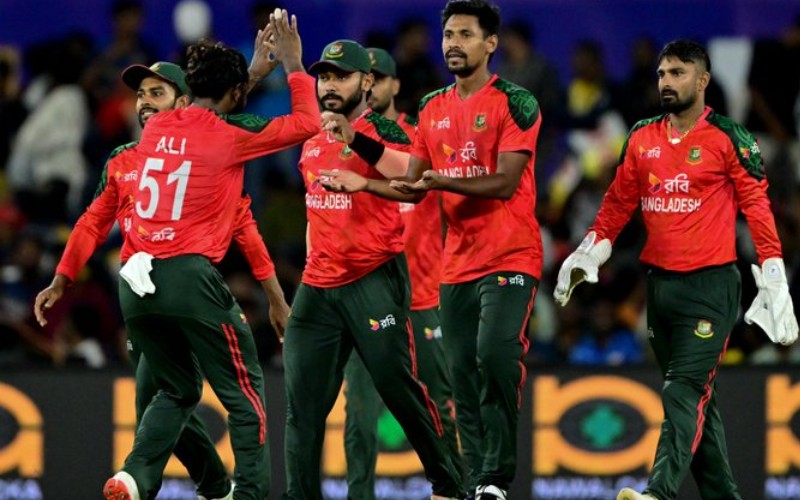
Instead, a tripartite intervention involving the ICC, the Pakistan Cricket Board (PCB) and the BCB helped defuse the crisis. The row escalated when the ICC, after rejecting Bangladesh’s security rationale, replaced Bangladesh with Scotland in the tournament. Pakistan publicly framed Bangladesh’s removal as an “injustice” and signalled it would boycott the February 15 India fixture in solidarity — a move that would have hit the World Cup’s commercial fabric hard.
Back-channel diplomacy followed. Sources say one condition for Pakistan to retract its boycott was a firm assurance that the BCB would not face punitive action. The ICC ultimately accepted that condition, paving the way for reconciliation. BCB vice-president Faruque Ahmed captured the relief felt in Dhaka.
ALSO READ: Ravindra Jadeja Meets PM Narendra Modi With Wife Rivaba, Shares Inspiring Moments from Interaction
“I think we are relieved [as no financial penalty was sanctioned] considering there were lots of things floating in the air after we refused to travel to India to take part in the World Cup,” he told Cricbuzz. Ahmed acknowledged that while direct financial losses from missing the event are real, the board is already exploring ways to mitigate the impact by leveraging hosting opportunities.
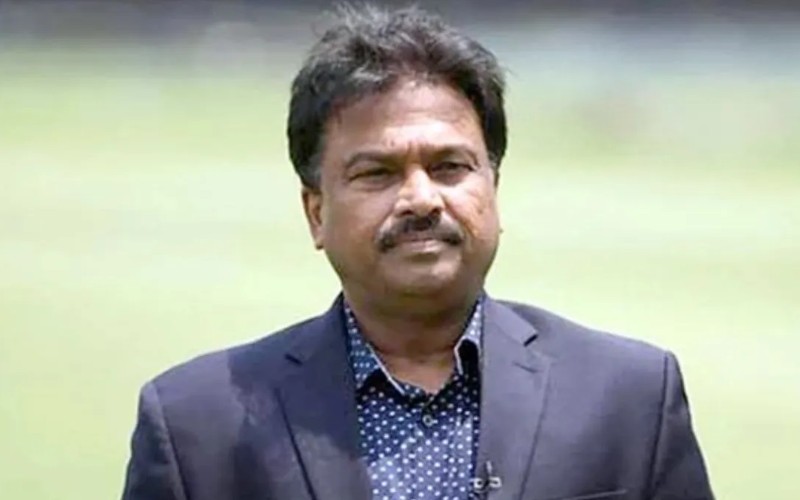
“There were several sanctions and penalties that could have come our way, and those have been stopped. Additionally, since we couldn’t play in the World Cup, there is a possibility of financial loss. We might not recover that directly in a financial sense, but perhaps we can host some events here — for example, the Women’s World Cup,” he said, pointing to the Women’s Under-19 World Cup scheduled in Bangladesh and the 2031 co-hosting of the 50-over World Cup with India as potential compensatory avenues.
ALSO READ: Jos Buttler Explains Brendon McCullum’s Walkie-Talkie Tactic During T20 World Cup
BCB vice-president Shakhawat Hossain echoed the sentiment, noting that the Lahore talks have improved the board’s relationship with the ICC. “Not just penalties, there could have been other troubles too but now lots of decisions have been taken following the meeting in Lahore which implies that our relation with the governing body of cricket is improving,” he said.
For Bangladesh cricket, the episode underlined two lessons: the fragility of sport amid geopolitics, and the value of diplomatic engagement. As the BCB shifts focus from crisis management to rebuilding, hosting rights and constructive ICC ties will be central to restoring lost momentum.