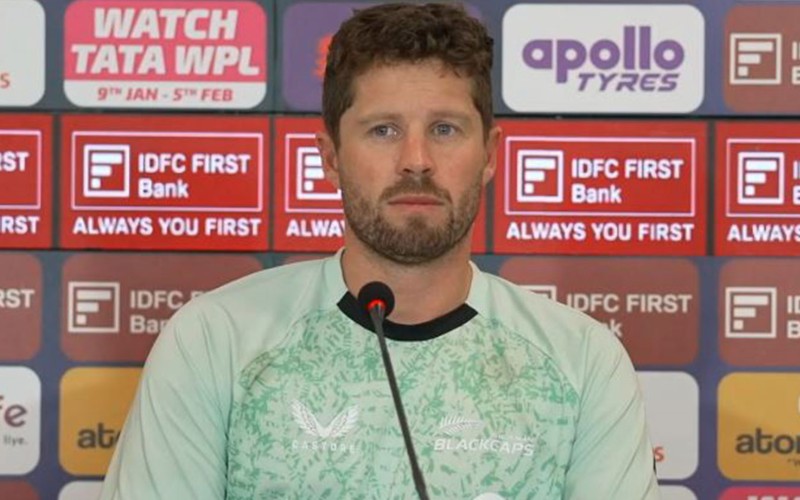
New Zealand batter Henry Nicholls believes the value of One-Day International cricket has actually grown in an era dominated by T20 leagues and global tournaments, insisting that bilateral series like the ongoing tour of India are now “more important than ever.” Speaking to the media ahead of New Zealand’s training session at the Niranjan Shah Stadium in Rajkot, Nicholls reflected on how the limited number of 50-over matches between major ICC events has added extra significance to every ODI opportunity.
With the next 50-over World Cup still nearly two years away and attention rapidly shifting toward next month’s T20 World Cup, questions have once again been raised about the relevance of the ODI format. Nicholls, however, sees it differently. He explained that the reduced calendar makes every series a crucial building block for teams trying to stay sharp in the longest white-ball format.
“There isn’t as much one-day cricket between major events now, and I think that makes these series even more important,” Henry Nicholls said. “A few of us have been playing some List-A cricket back home, so we’ve got a feel for the format, but it’s still something we enjoy. When you get these opportunities, you really have to make the most of them.”
WATCH – Hanuma Vihari Explains Why CSK’s Sanju Samson Trade Was About More Than Cricket
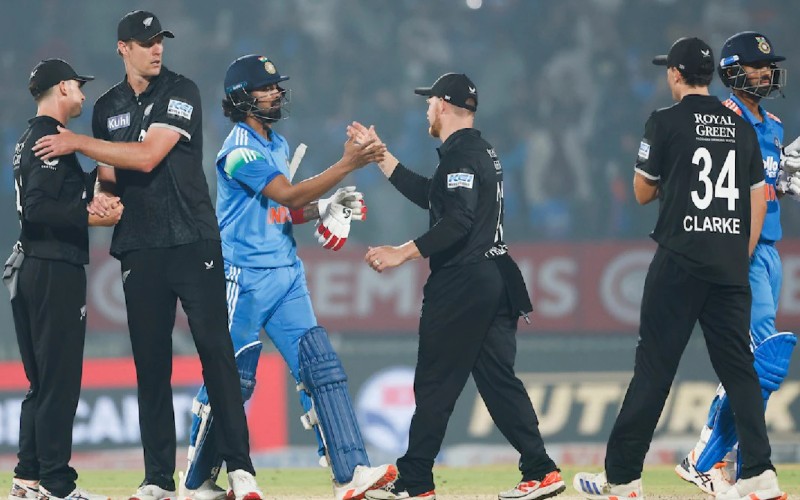
New Zealand came agonisingly close in the first ODI against India, eventually losing by four wickets despite putting the hosts under pressure for long periods. Nicholls felt there were plenty of positives to take from the performance, particularly with the bat, but stressed that his side needs to sustain their good work for longer phases of the innings.
“From a batting point of view, we did a lot of things well,” he said. “It’s just about being able to do them for a bit longer. Devon and I put together a good partnership at the top, but in one-day cricket, if one of you can go on and bat deep, it makes a huge difference. Having a set batter going into the last 10 or 15 overs really extends your scoring options at the death.”
Nicholls also highlighted how valuable it is for New Zealand’s relatively young squad to compete against legends like Virat Kohli and Rohit Sharma, even if it comes with its own challenges.
“That’s what touring India is all about,” Henry Nicholls explained. “You’re playing against guys who have done it for so long at the highest level. But from a bowling point of view, it was encouraging to see how our guys adapted, tried different things, and found ways to put them under pressure. If you can take wickets, even against players of that calibre, you can always bring yourself back into the game.”
The left-hander also pointed out how the one-ball rule after the 34th over adds a fascinating layer to ODI tactics. Under the current regulations, teams choose one of the two balls to continue with for the final phase, meaning it is often softer and darker during the death overs.
ALSO READ: Sitanshu Kotak Explains Ayush Badoni Selection As India Seek Balance After Sundar Injury
“We saw that at the end of our innings,” Henry Nicholls noted. “The ball was quite soft and hard to get away, which makes it tougher to score late. That’s exactly why the rule was brought in. If you’re batting first and you’re on top, you might need to be a bit more proactive earlier, because it’s not always easy to go hard right at the end.”
As New Zealand look to bounce back in the remaining matches of the series, Nicholls’ words underline a broader truth: in a crowded cricket calendar, every ODI now carries added weight, and making the most of those moments could shape a team’s future far beyond this tour of India.