The International Cricket Council (ICC) is reportedly exploring a significant change to traditional Test cricket rules, proposing that teams switch from the red ball to the pink ball during weather-hit matches. The idea is intended to keep play alive under floodlights when poor light or rain interrupts the flow of a conventional Test, provided both teams agree to the change.
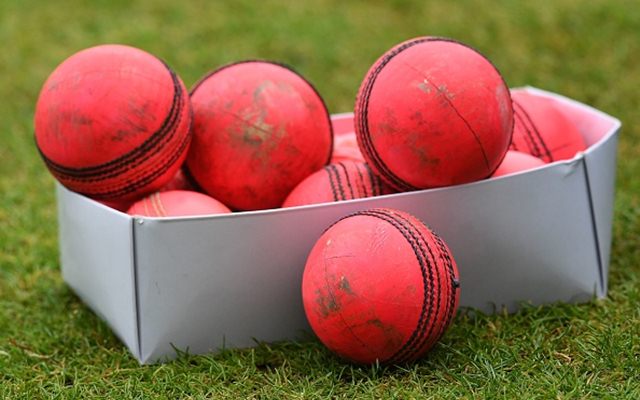
According to reports, the suggestion came up during the ICC Chief Executives Committee’s virtual meeting on Thursday, which was also attended by ICC Cricket Committee chairman Sourav Ganguly. The proposal is still at an early discussion stage, and several practical issues will need to be addressed before it can move forward. One of the biggest questions is how the ball change would work mid-match without affecting fairness, balance, or the natural rhythm of the game.
Weather has always played a major role in Test cricket, often disrupting schedules and reducing the number of overs available in a day. In several parts of India, for example, daylight fades quickly in the evening, and play sometimes has to stop well before the scheduled stumps time. That not only frustrates players and match officials but also impacts broadcasters, spectators, and the overall result of the contest.
ALSO READ: MS Dhoni As CSK Coach? Ravichandran Ashwin Shares Big Opinion
The pink-ball format was introduced to solve exactly this problem. Day-night Tests were designed to help cricket continue under lights, much like ODIs and T20Is using the white ball. The concept was also expected to attract modern audiences who are more likely to watch cricket after work hours, although its popularity has dipped in recent years.
ICC to make the following playing condition changes at the May 30 board meeting : (Pending approval)
• Teams to be allowed to switch from red ball to pink ball in a Test match (with mutual consent), especially to continue under lights after weather interruptions.
• Head… pic.twitter.com/n0veBgAVHo
— Ragav X (@ragav_x) May 23, 2026
The main difference between the red ball and the pink ball lies in how they are made and how they behave in the air and off the pitch. Red balls are usually wax-treated, which helps them swing naturally early in the innings before they gradually scuff up and assist reverse swing later on. However, under floodlights, they can become harder to pick up.
ALSO READ: Joe Root Pays Heartfelt Tribute To Sachin Tendulkar After Historic Milestone
Pink balls are built differently. They use extra lacquer and pigment to remain visible in low light, but that coating also makes them seam and swing more sharply at the start. They can skid through quicker under lights as well, which changes the challenge for batters and bowlers alike.
If approved, this ICC proposal could become one of the most talked-about changes in modern Test cricket.