In a rare and intriguing move, the upcoming India vs South Africa Test match at the Barsapara Stadium in Guwahati (November 22–26) will feature a unique schedule — the Tea break will come before Lunch. Traditionally, Test cricket follows a fixed rhythm: a 40-minute Lunch break after the first session, followed by a 20-minute Tea break later in the day. However, this Guwahati Test will reverse that long-standing order for the first time in Indian cricket history.
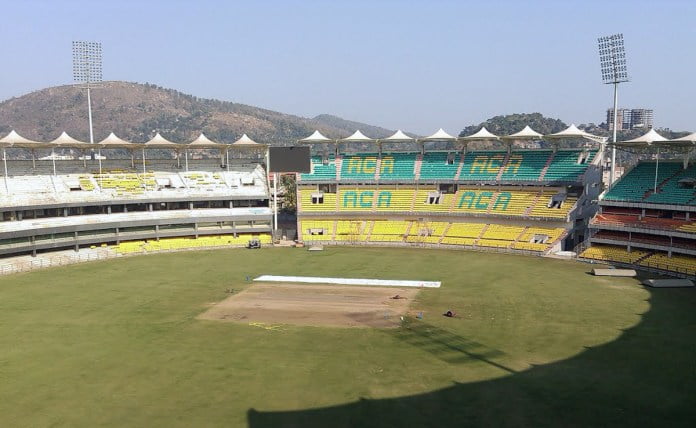
Typically, a Test match in India begins at 9:30 am, with the first session running till 11:30 am, followed by Lunch (11:30–12:10 pm), then the second session till Tea (2:10–2:30 pm), and the final session extending up to 4:30 or 5:00 pm. But this time, the play will begin 30 minutes earlier at 9:00 am, with Stumps scheduled for 4:00 pm due to early sunset in the Northeast.
WATCH – Rishabh Pant Wears Virat Kohli’s No.18 Jersey, Energises Bowlers with Stump Mic Banter
According to The Indian Express, the first session will last till 11:00 am, followed by a 20-minute Tea break till 11:20 am. The second session will continue from 11:20 am to 1:20 pm, after which players will have a Lunch break till 2:00 pm, and then play will resume until 4:00 pm.
🚨 NEW TIMING FOR GUWAHATI TEST BETWEEN INDIA vs SOUTH AFRICA 🚨 [Devendra Pandey from Express Sports]
1st Session – 9 am to 11 am
2nd Session – 11.20 am to 1.20 pm
3rd session – 2 pm to 4 pmTea break followed by Lunch session due to early sunrise & sunset in eastern part. pic.twitter.com/1P1HmMafo5
— Johns. (@CricCrazyJohns) October 30, 2025
The change, a joint decision between the BCCI and Cricket South Africa (CSA), comes as a response to the early sunrise and sunset in Assam. In eastern India, daylight fades much sooner, often before 5 pm, making it difficult to complete full sessions. A senior BCCI official told the newspaper, “The early Tea break is to ensure we maximise daylight and avoid interruptions due to bad light.”
ALSO READ: Ravi Shastri Backs Steve Smith’s Return As Captain Ahead Of 2025 Ashes Opener
While this adjustment aims to preserve playing time, some cricket enthusiasts question its necessity. Since the total break duration remains the same, switching the order might not make a significant difference — yet it stands as a fascinating experiment in Test match scheduling.