In a dramatic and controversial moment during the Asia Cup Rising Stars 2025 clash between India A and Pakistan Shaheens, a boundary relay catch turned into a talking point, leaving even the ever-composed Jitesh Sharma visibly irate. The incident occurred during the 10th over of the match, igniting a heated debate over the interpretation of cricket’s evolving rules.
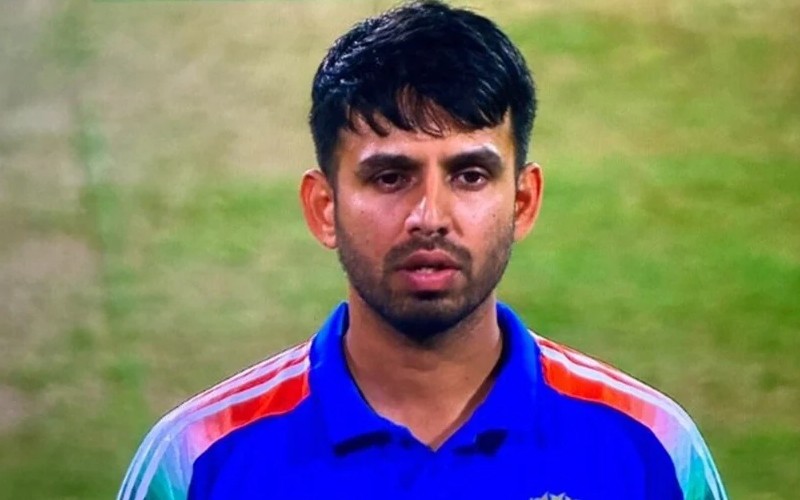
Pakistan’s Maaz Sadaqat, who eventually remained unbeaten on a match-winning 79, mistimed a lofted shot off leg-spinner Suyash Sharma. The ball headed toward the deep boundary, where Indian fielder Nehal Wadhera displayed remarkable awareness and athleticism.
Realising that his momentum would carry him beyond the ropes, Wadhera kept his wits intact. He smartly tossed the ball back to his teammate, Naman Dhir, while still airborne, successfully ensuring the ball stayed within the field of play.
ALSO READ: “Now loyalty is nothing” – Aakash Chopra on KKR heading into IPL 2026 auction
The relay catch looked complete, prompting loud celebrations from the Indian camp. Confident they had dismissed the well-set Sadaqat, they waited for the TV umpire’s approval. However, what followed left players and fans stunned. After a notably long review, third umpire Morshed Ali Khan ruled the effort “not out,” citing concerns about Wadhera’s position relative to the boundary. The ruling left India’s captain, Jitesh Sharma, fuming, as he confronted the on-field umpire to argue that both the letter and spirit of the law had been upheld by his fielder.
It was all happening in Qatar 👀 And things got pretty heated in the middle…
Watch India A take on Pakistan A in #AsiaCupRisingStars2025 – LIVE NOW on #SonyLIV and #SonySportsNetwork TV channels 📺 pic.twitter.com/OZ56KQYxf0
— Sony LIV (@SonyLIV) November 16, 2025
To add to the confusion, the umpires didn’t signal a six or award the two runs that Sadaqat completed while the catch was being relayed. Instead, the delivery was deemed a dot ball—a decision that further amplified the controversy.
This incident has reignited discussions around boundary catch regulations, particularly following the ICC’s update to its Playing Conditions for T20Is in July. According to Law 19.5.2, a fielder is permitted to make contact with the ball while airborne beyond the boundary—as long as subsequent contact occurs within the field before the ball becomes dead. Crucially, the rule stipulates that any contact with the ball after landing outside—before a return jump—is grounds for a boundary.
ALSO READ: “It was not the best Test wicket” – Sourav Ganguly after India’s loss to South Africa
In Wadhera’s case, he made no second contact after landing, which technically adheres to the rule, strengthening India’s claim. Yet, the umpire deemed otherwise. Sadaqat was 56 at the time and went on to steer Pakistan Shaheens to an emphatic eight-wicket win, securing their spot in the semi-finals.
This incident will undoubtedly fuel further debate around modern cricket’s evolving rules and the role of technology in decision-making.