The political undercurrents surrounding India–Pakistan cricket have flared up again, this time threatening to cast a shadow over the 2026 T20 World Cup. Former England batter Mark Butcher believes Pakistan’s show of solidarity with the Bangladesh cricket team could prove a “disaster” for both India and the ICC, given the financial and commercial weight of the India vs Pakistan fixture in global cricket.
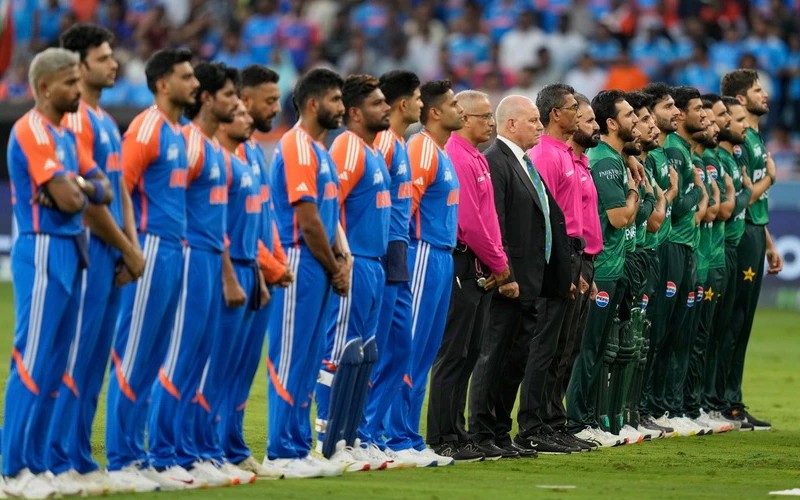
The controversy stems from the ICC’s decision to replace Bangladesh with Scotland after Bangladesh reportedly refused to travel to India for the tournament, citing security concerns. In response, the Pakistan government has indicated that its men’s cricket team will not play the scheduled group-stage match against India on February 15. While no official reason has been provided, the move is widely being interpreted as a protest against what Pakistan sees as inconsistent treatment by the ICC and the BCCI.
This issue has reopened old wounds from the 2025 Champions Trophy, officially hosted by Pakistan. India, however, played all their matches in the UAE after the BCCI cited the Indian government’s refusal to grant permission for the team to travel to Pakistan. The tournament had to be reworked to accommodate India, a move that Pakistan accepted at the time. According to Butcher, the current standoff reflects Pakistan’s frustration over what it perceives as a lack of reciprocity when Bangladesh raised similar concerns about travelling to India.
ALSO READ: FIFA President Meets ICC Chief Jay Shah in Milan, Hails Cricket’s Olympic Return
“Now Pakistan are in a situation… India pretty much gets its own way. It’s the most powerful and the wealthiest country in the world of cricket,” Mark Butcher said on the Stick To Cricket podcast. He also pointed out how logistical changes to accommodate one team can disrupt the entire tournament schedule, impacting other nations who are forced to adjust travel plans and preparation windows.
From a commercial standpoint, the potential absence of an India–Pakistan clash is a nightmare scenario for the ICC and broadcasters. Butcher didn’t mince his words while explaining the financial implications.

“For India, that’s a disaster. Or for the ICC, it’s a disaster because of the size, financially, of that fixture,” he said. The India vs Pakistan match is consistently the most-watched game in any ICC tournament, drawing massive global audiences and driving sponsorship, broadcast deals, and advertising revenue.
Mark Butcher also shed light on why India and Pakistan are routinely placed in the same group during ICC events. “It is the most lucrative fixture in the world of cricket. And some say in the world of sports,” he said, underlining how commercial considerations often outweigh pure sporting randomness in tournament scheduling.
ALSO READ: Suryakumar Yadav Leads ‘Better Team’: Virender Sehwag Backs India for T20 World Cup Glory
While political relations between the two nations remain strained, players and fans, according to Butcher, generally share mutual respect and camaraderie. The ICC has reportedly warned Pakistan of punitive action if the team refuses to take the field against India. What happens next could set a precedent for how cricket’s governing body handles politically sensitive situations in future tournaments.
As a cricket writer who has watched this rivalry evolve over decades, it’s clear that the India–Pakistan match is more than just a game—it’s the economic engine of global cricket. If that engine stalls, the ripple effects will be felt across the sport, from broadcasters and sponsors to neutral teams caught in the logistical crossfire.