As a 33-year-old cricket writer, I watched Mitchell Marsh, Australia’s T20I captain, deflect a Pakistani reporter’s attempt to draw him into the controversy over Pakistan’s planned forfeit of the 2026 India clash. Speaking after Australia completed a 3-0 sweep in Lahore, Marsh kept his answers measured and focused on his team’s World Cup preparations.
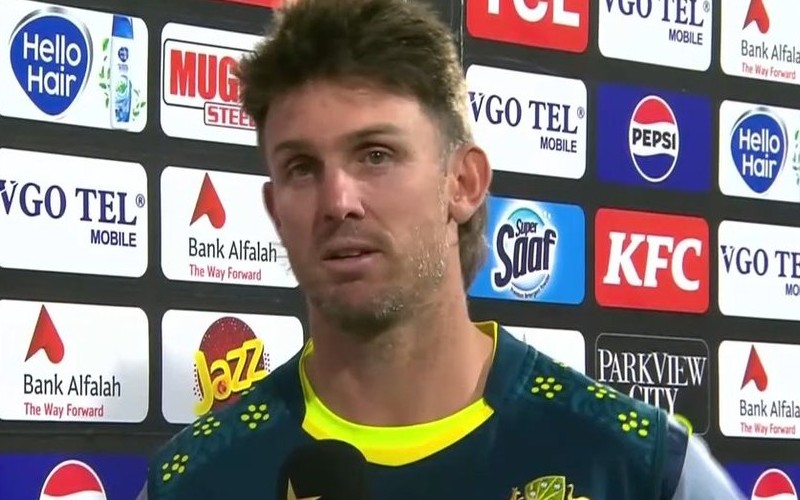
When pressed on Pakistan’s government-directed boycott of the February 15 fixture — a decision that still allows Pakistan to compete in the rest of the tournament from February 7 — Marsh said, “I don’t really have a comment on that at this point in time. We are going to the World Cup, so we are just focusing on it and what we are doing. All of that stuff will take care of itself.”
ALSO READ: ICC To Decide Pakistan’s T20 World Cup 2026 Fate After India Match Boycott
When asked about Bangladesh’s absence, Marsh’s reply mirrored his earlier stance. “The same goes for my previous answer. We are going to the World Cup to try to win it. We are solely focused on that. As the Australian team, we trust the people who are in place to keep us safe,” he said, emphasising players prepare and perform, not adjudicate geopolitics.
A clown PAK journalist tried to trap Mitchel Marsh in the controversy to say ill about IND with a question which was not at all related to the series b/w Pak and AUS ..Marsh gave a perfect shut up call #INDvsAPK #T20WorldCup2026 pic.twitter.com/5IE3Ljw7OC
— Cover Drive (@day6596) February 2, 2026
The backdrop is fraught: the Pakistan government framed the boycott as a protest linked to Bangladesh’s removal from the event — a move that saw Scotland replace Bangladesh after the ICC rejected a request to relocate matches from India to Sri Lanka on security grounds.
The ICC has warned Pakistan that a boycott could attract punitive sanctions, stressing the decision risks damaging Pakistan’s cricketing interests and the broader global game.
ALSO READ: Pakistan Government Clears T20 World Cup Travel But Boycotts India Match, ICC Clash In Doubt
Beyond the sporting fallout, the financial stakes are huge. Canceling an India–Pakistan fixture — the sport’s biggest commercial clash — could cost broadcasters an estimated ₹200–250 crore in advertising revenue, a stark reminder of how sport, politics and commerce are now tightly interwoven for fans and global viewers too.