Pakistan abruptly ended a near-10-day standoff with the ICC on Monday night after the government ordered the national team to play its scheduled T20 World Cup match against India in Colombo on February 15. The U-turn follows a week of fraught diplomacy after the Pakistan Cricket Board (PCB) initially announced a boycott in solidarity with Bangladesh, which was ejected from the tournament for refusing to travel to India.
What began as a symbolic protest quickly morphed into a high-stakes bargaining game. Multiple reports suggested the PCB was using the proposed boycott as leverage — pressing the ICC to act as mediator to restart bilateral cricket between India and Pakistan. The strategy raised eyebrows across the cricketing world, given the ICC’s stated remit and its reluctance to be drawn into bilateral political disputes.
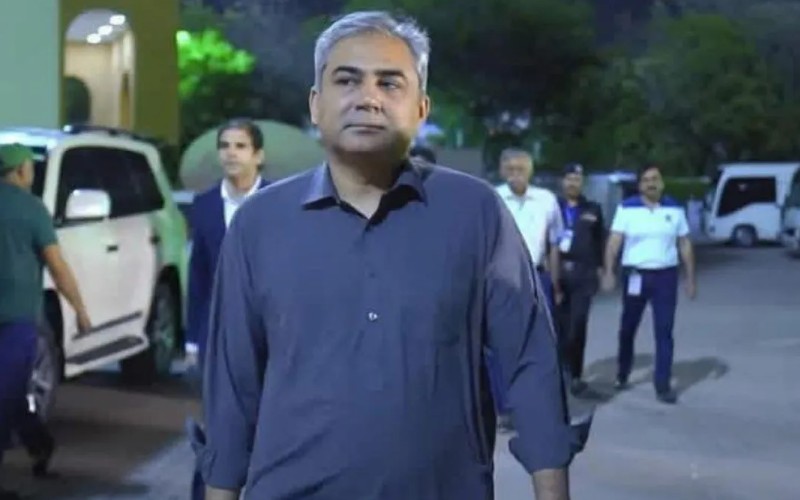
In response to questions about any quid pro quo, PCB chairman Mohsin Naqvi conceded that the drama had not yielded concrete gains for Pakistan. “Humne Bangladesh ke liye stand liya tha. Unhi ki baat thi. Humne apne liye kuch nahi kiya,” Naqvi said — “We took a stand for Bangladesh. It was their matter. We didn’t do anything for ourselves.” He added that Bangladesh’s request for Pakistan to play came after what appeared to be a resolution of the BCB’s issues with the ICC.
ALSO READ: BCCI Central Contract List 2025–26: Axar Patel Placed In Grade C As Structure Gets Major Overhaul
The ICC, for its part, reportedly pushed back on claims that it would broker bilateral talks or accept political demands outside its governance framework. Officially, the global body stuck to the narrative that member boards must honour tournament commitments and that any bilateral negotiations remain outside the ICC’s core mandate.
Pakistan and Bangladesh should get an award for spit licking.😂
Thook Ke Chatna Had On Face….. 🤣
Vikrant Gupta | Mohsin Naqvi | India and pakistan | ICC | BCCI |#T20WorldCup #icct20worldcup2026 #INDvsPAK pic.twitter.com/MqbSl8fPMU
— Kamalraj Singh (@kamalrajsingh_) February 10, 2026
As things stand, Pakistan will travel to R. Premadasa Stadium in Colombo for one of the most anticipated clashes of the tournament. The reversal eases immediate commercial and logistical headaches — broadcasters, sponsors and co-host Sri Lanka had flagged serious fallout in the event of a cancelled India–Pakistan fixture.
ALSO READ: Pakistan Makes U-Turn On India Match After Government Order, Ending T20 World Cup Drama
Still, the episode leaves a wider question: can cricket’s global administrators insulate the sport from geopolitics, or will future disputes continue to spill into tournament play? For now, the focus shifts back to the field — but the aftershocks of this boycott drama are likely to inform boardroom conversations long after the match is over.