India’s dominance in T20 cricket has masked growing concerns about the red-ball format. As the defending champions of the ICC T20 World Cup, India will enter next month’s tournament as favourites once again, backed by a fearless batting unit that has redefined white-ball cricket. However, that success has not translated into Test cricket, where India’s fortunes have taken a worrying dip. Once considered virtually unbeatable at home, India have lost two of their last three Test series on familiar conditions — a 0-3 whitewash against New Zealand followed by a 0-2 defeat to South Africa.
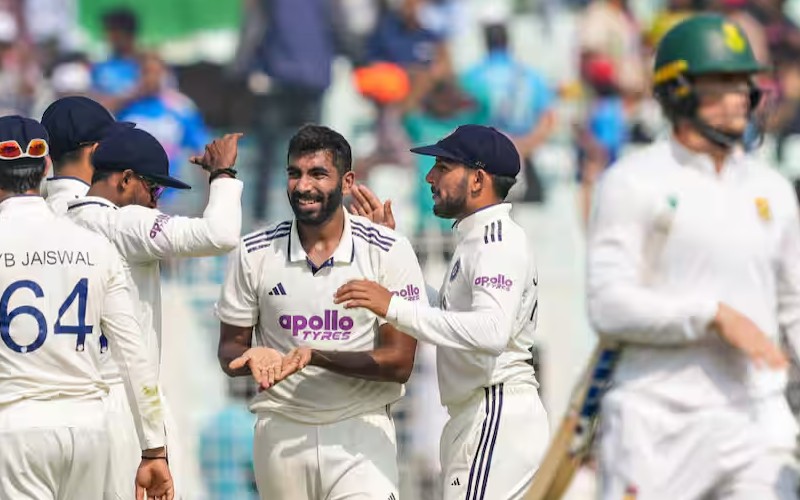
The slide is also reflected in the World Test Championship standings. After finishing runners-up in the first two WTC cycles, India now find themselves struggling to stay among the top three in the ongoing cycle, having slipped to sixth place. Unless there is a sharp turnaround, qualification for another WTC final looks increasingly unlikely. Former India head coach and batting great Rahul Dravid believes the root of the problem lies in the challenges faced by modern all-format cricketers.
Switching gears from T20 cricket to Test matches, he says, is far from straightforward. “One of the things I understood as a coach, especially the guys that play all three formats, they keep moving from one format to the other,” Rahul Dravid said, as quoted by ESPNcricinfo.
ALSO READ: ICC Standoff Deepens As Pakistan And PCB Face T20 World Cup Boycott Risk Worth Crores
That constant movement leaves players with limited time to prepare for the demands of red-ball cricket. Rahul Dravid revealed that some batters go into Tests having barely touched a red ball for months.
“There were times when we would get to a Test match three to four days before the match, and then when you look back at the last time that some of these guys had actually hit a red ball, it might have been four months ago or five months ago,” he explained. Developing the patience and technique needed to survive long spells on turning or seaming pitches is not easy without sustained practice. “To play on turning tracks, or play on seaming wickets, doing that for hours and hours in a Test match is not easy. It requires skill,” Dravid added.
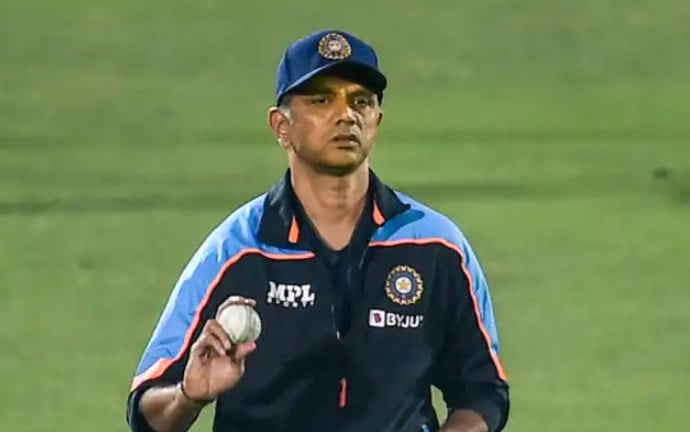
He contrasted the current scenario with his own playing days, when the absence of franchise cricket allowed players extended preparation periods.
“In my generation… I would have a whole month of practising for a Test series and I would be able to develop my skills,” Rahul Dravid said, before admitting that such opportunities are now rare for multi-format players. India Test and ODI captain Shubman Gill has recently echoed similar concerns, calling for better scheduling to help players transition more effectively. Dravid acknowledged Gill’s point, noting, “He’s one who actually played recently for us in all of the three formats so I think he would have realised how difficult it is… to gear up for the Test format.”
ALSO READ: Shivam Dube Reveals His Expanding Skillset As New Horizons Open For Team India
The introduction of the World Test Championship has added further pressure. With every match carrying crucial points, teams are increasingly pushing for result-oriented pitches. “The importance of getting result-oriented wickets has become much more,” Rahul Dravid said, adding that such conditions often tilt the balance heavily in favour of bowlers.
While no one wants extremes, the former coach admitted that WTC pressure has influenced decision-making. “The pressure of those points has at times made you ask for result-oriented wickets,” he concluded.
For India, the challenge is clear: finding a balance between white-ball excellence and preserving the skills, preparation, and patience that Test cricket demands.