Six-time Grand Slam champion Sania Mirza recently shared powerful advice for young India cricketer Richa Ghosh, reminding her that “social media cannot make or break your day.” Speaking at the Future Makers Conclave (FMC) during the Bengaluru Tech Summit 2025, Mirza shared her journey navigating media pressure. The session was moderated by sports journalist Mayanti Langer, who steered a candid and insightful discussion on the evolving challenges faced by modern athletes.
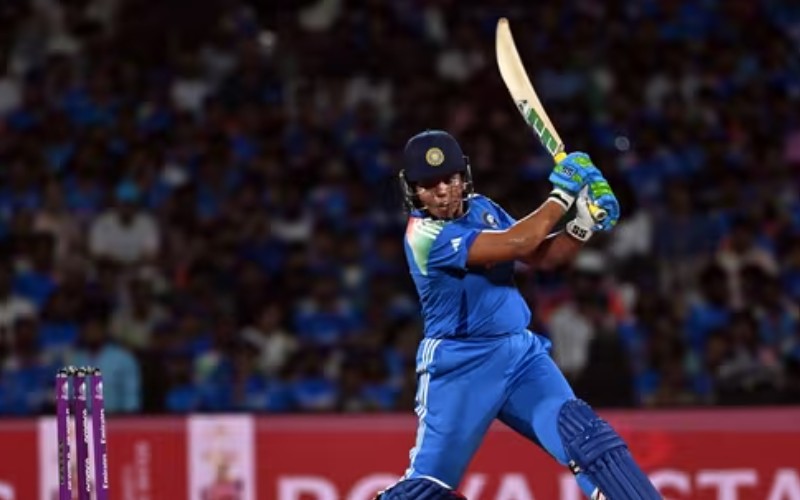
Mirza explained that growing up in an era when electronic and social media were just beginning to rise gave her a unique understanding of scrutiny.
“When I started, it was only newspapers, and Sportstar was the biggest window into sports. Then came electronic media, tabloids, and suddenly covering only forehands and backhands wasn’t enough. They wanted stories from an athlete’s personal life to make things ‘interesting’. Soon, the criticism followed—comments like you lost a match because you were out for dinner,” she said.
These experiences, Sania Mirza admitted, helped her develop a thick skin. She recalled how bizarre it felt to be judged by people who had never played professional sport at any level.
WATCH – Mitchell Starc Removes Joe Root For A Duck And Completes 100 Ashes Wickets
“I find it quite humorous. People who have never held a cricket bat, a tennis racket, or even a boxing glove can have such strong opinions about professionals. Sometimes, I even feel sad for them. You must be really unhappy with your own life to hate someone who’s representing their country,” she added.
On dealing with online reactions, Sania Mirza shared her golden rule: never let external noise dictate your emotions. “You don’t take the good to heart, and you don’t take the bad to heart. Social media cannot be that important. What can truly make or break your day is what the people you love think of you, and the communication you share with them.”

Richa Ghosh, who belongs to a generation that grew up entirely in the social media age, offered a fresh counterpoint. For her, online criticism is a reflection of progress in women’s cricket. “I take it positively. Earlier, women’s cricket didn’t have so many followers. Now that the fanbase is growing, criticism will naturally increase. It means more people are watching,” she said. Ghosh emphasised that rising scrutiny is, in fact, a sign of rising relevance. “It shows that people value women’s cricket. The bigger the sport gets, the more people come to watch—and with that comes opinions.”
Together, their contrasting experiences offered a powerful message: criticism is inevitable, but how an athlete chooses to view it defines their mental strength.sad for them sometimes, because I’m like, you must really be unhappy with your life to hate someone you’ve never met who’s trying to represent the country at the highest level,” she added.
Addressing online criticism, she said, “You don’t take the good to heart, and you don’t take the bad to heart. Because social media or media cannot make or break your day. It cannot be that important. What can make or break your day is what the people you love feel about you, who you love feels about you, what communication you have with them.”
ALSO READ: India vs South Africa Guwahati Test: Early Pitch Report Sparks Big Debate Ahead of Second Match
Ghosh, a young cricketer from the Indian women’s team who grew up in the social media era, shared a different perspective on handling social media criticism. Ghosh said she views criticism as a sign of growth in women’s cricket.
“To be honest, I take it very positively, because earlier in women’s cricket we didn’t have that many followers or fans. But now, as the numbers grow, the criticism will also grow. So I try to take that part positively,” she said. She added that increased criticism indicates more people are watching the game.“I take that as a positive sign, because it means more people are watching, they’re liking what women’s cricket is doing, and they see the value in it. And in cricket today, the bigger it gets, the more people come to watch.”