Shahid Afridi, one of Pakistan’s most iconic cricketers, recently lauded Rohit Sharma for breaking his long-standing record for the most sixes in ODI cricket. Speaking with genuine admiration, Afridi said he was pleased to see a player he has always respected surpass his milestone. Afridi reflected on how his own records have had long lifespans, including his fastest ODI century mark, which stood for nearly 18 years. But for him, that’s the beauty of the sport — one player sets a benchmark, and another arrives to raise it even higher.
“Records are meant to be broken, and I’m happy that someone I’ve always liked has gone past this one,” Afridi said in a conversation with Telecom Asia Sport.
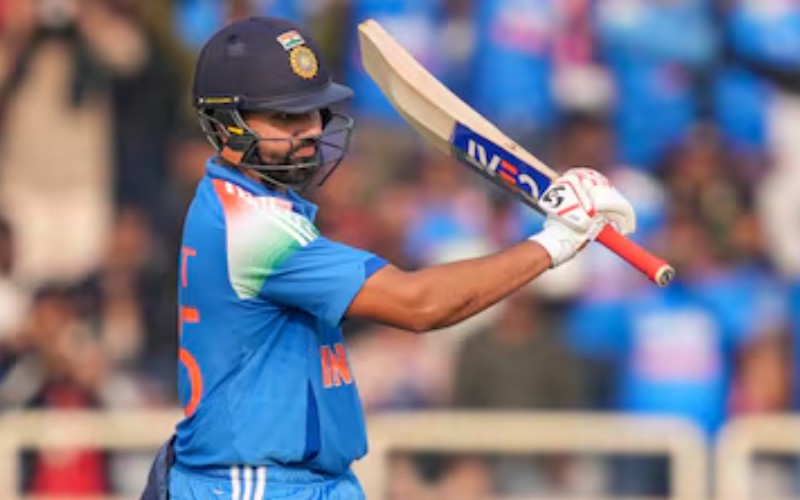
Rohit Sharma stunningly achieved this during the second ODI against South Africa in Raipur, overtaking Afridi’s 351 sixes in 398 matches. Rohit now stands at an incredible 355 sixes in just 279 games, showcasing exceptional consistency and power-hitting ability.
ALSO READ: Harbhajan Singh Hails Hardik Pandya’s Impact As India Show Complete Dominance
Afridi also recalled his time with Rohit during the 2008 IPL season with the Deccan Chargers. Even back then, he said, Rohit’s class was undeniable. “Watching him bat in the nets, I knew he would go on to play for India. Today, he has proven himself as a truly classy batter,” Afridi added.
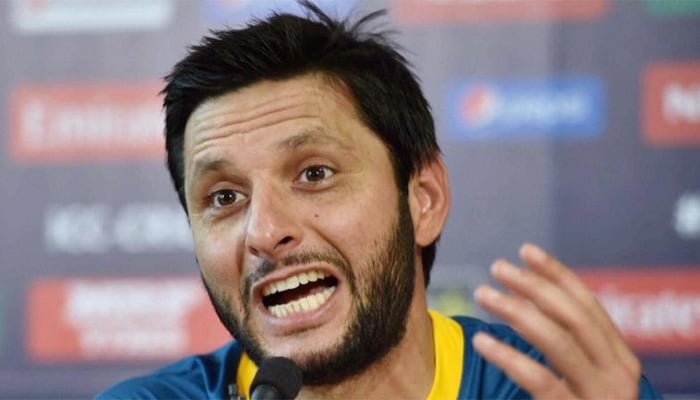
Beyond records, Afridi strongly backed both Rohit Sharma and Virat Kohli, insisting they remain crucial to India’s ODI setup. He believes their experience and form make them indispensable heading into the 2027 World Cup. According to Afridi, India should preserve the duo and rotate them strategically when playing weaker opposition.
WATCH – Ben Stokes Leads England Team To Noosa Break Amid Ashes Pressure After 0-2 Deficit
However, Afridi didn’t hold back when speaking about India’s head coach Gautam Gambhir. He suggested that Gambhir came in with a rigid mindset but quickly realised that things don’t always go exactly as planned. “You are not always right,” Afridi remarked, hinting at the challenges Gambhir has faced early in his tenure.
This blend of praise, insight, and critique from Afridi adds fresh perspective to the ongoing conversation around Indian cricket’s leadership and its senior stars.