There are few voices in Indian cricket as revered—and as fearless—as that of Sunil Gavaskar. And once again, the Little Master has spoken with typical conviction. This time, his target is the increasingly popular term in modern-day cricket: workload management. Gavaskar didn’t mince his words as he called for the term to be permanently deleted from Indian cricket’s vocabulary. His comments came in the wake of Mohammed Siraj’s heroic efforts across all five Tests of the Anderson-Tendulkar Trophy 2025, where India battled England to a gripping 2-2 draw.
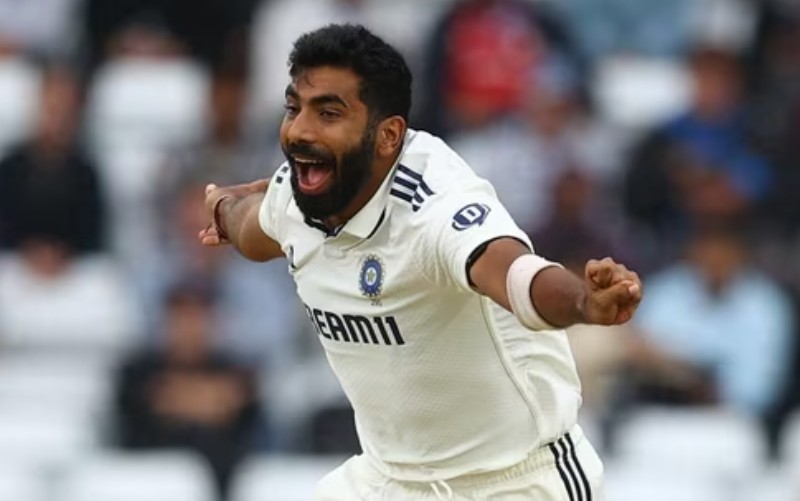
At a time when elite cricketers are routinely rotated or rested to manage physical load, Gavaskar pointed out that Siraj’s tireless commitment shattered this theory. “Siraj bowled his heart out,” Sunil Gavaskar said during an interview with India Today. “He has debunked forever this business of workload.”
Mohammed Siraj’s campaign in England was nothing short of phenomenal. With the burden of spearheading India’s pace attack largely falling on his shoulders—especially after it was confirmed that Jasprit Bumrah would play only three out of the five Tests to protect his recovering body—Siraj stepped up like a warrior. He played every single Test, including the final match at The Oval, where he sealed India’s dramatic six-run win with a sizzling yorker to dismiss Gus Atkinson.
WATCH – Suniel Shetty Roars With Pride As KL Rahul Shines In India’s Thrilling Win At The Oval
Siraj bowled a total of 185.3 overs in the series, sending down 1113 balls and claiming 23 wickets. His consistency, stamina, and sheer firepower were a key reason India managed to share the spoils with England despite several batting collapses in the first half of the series.
Gavaskar, never one to hide behind niceties, offered a sharp critique of how modern cricket sometimes shelters players too much. “You are playing for your country. When you’re doing that, forget the aches and pains. That’s the kind of sacrifice required at this level,” he stressed. Drawing a powerful parallel with Indian soldiers on the border, he remarked, “Do jawans complain about the cold or the pain? No. They’re there for the nation. As cricketers, you’re expected to show that same pride.”
Sunil Gavaskar believes workload management is a ‘mental issue’ and India players should learn from ‘jawans on the border’ before using it as a reason not to play for the country. #SunilGavaskar https://t.co/GTNigbWMbQ
— News18 CricketNext (@cricketnext) August 5, 2025
He went on to praise Siraj’s long spells and unwavering dedication, pointing out that the fast bowler delivered six to eight-over spells deep into the fifth Test—on the 25th day of high-intensity cricket. “He didn’t just turn up; he delivered every single day,” Gavaskar noted, crediting the Hyderabad pacer for setting a benchmark for professional commitment.
Importantly, Gavaskar clarified that his criticism of the ‘workload’ narrative wasn’t aimed at Jasprit Bumrah, who missed two Tests due to a genuine injury concern. “There’s a difference between workload and injury. Bumrah has had a serious injury and must be managed carefully. And even in the two matches he played, he picked up two five-wicket hauls. So you can never question his impact.”
WATCH – Arshdeep Singh’s Hilarious Banter Pushes Mohammed Siraj Into Insta Reel Spotlight
However, Gavaskar did raise a concern about how over-reliance on workload-based rotation, especially during overseas tours, can disrupt team balance. Unlike home series, where backups are readily available, travelling abroad limits squad flexibility. “It’s overseas where you need your best playing XI every single time. You can’t afford to leave out your top performers because they might be tired.”
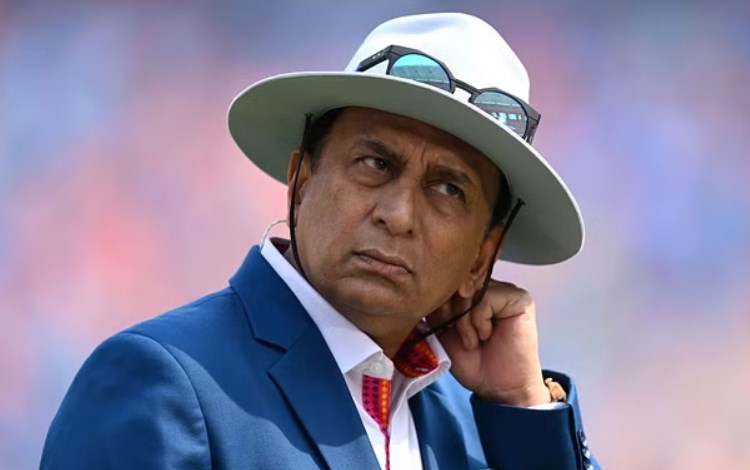
He also hailed players like Rishabh Pant, who returned to the Test side despite a metal rod in his leg and showed remarkable grit. “Pant came out to bat with a fracture before. That’s the attitude we want to see. That’s pride, that’s passion, and that’s respect for the India cap.”
What Gavaskar’s statements underline is the sentiment of an older generation that values toughness, resilience, and national pride above all. And while today’s game is governed more by science, data, and workload graphs, Siraj’s performance serves as a reminder that heart and hunger still matter the most.
In a series full of ebbs and flows, Mohammed Siraj didn’t just bowl overs—he bowled narratives. He embodied what it means to give your all for the team, and in doing so, reignited a conversation that might just reshape the way India approaches fast bowling in the future. Gavaskar’s words may sound old-school to some, but Siraj’s performances give them undeniable weight.