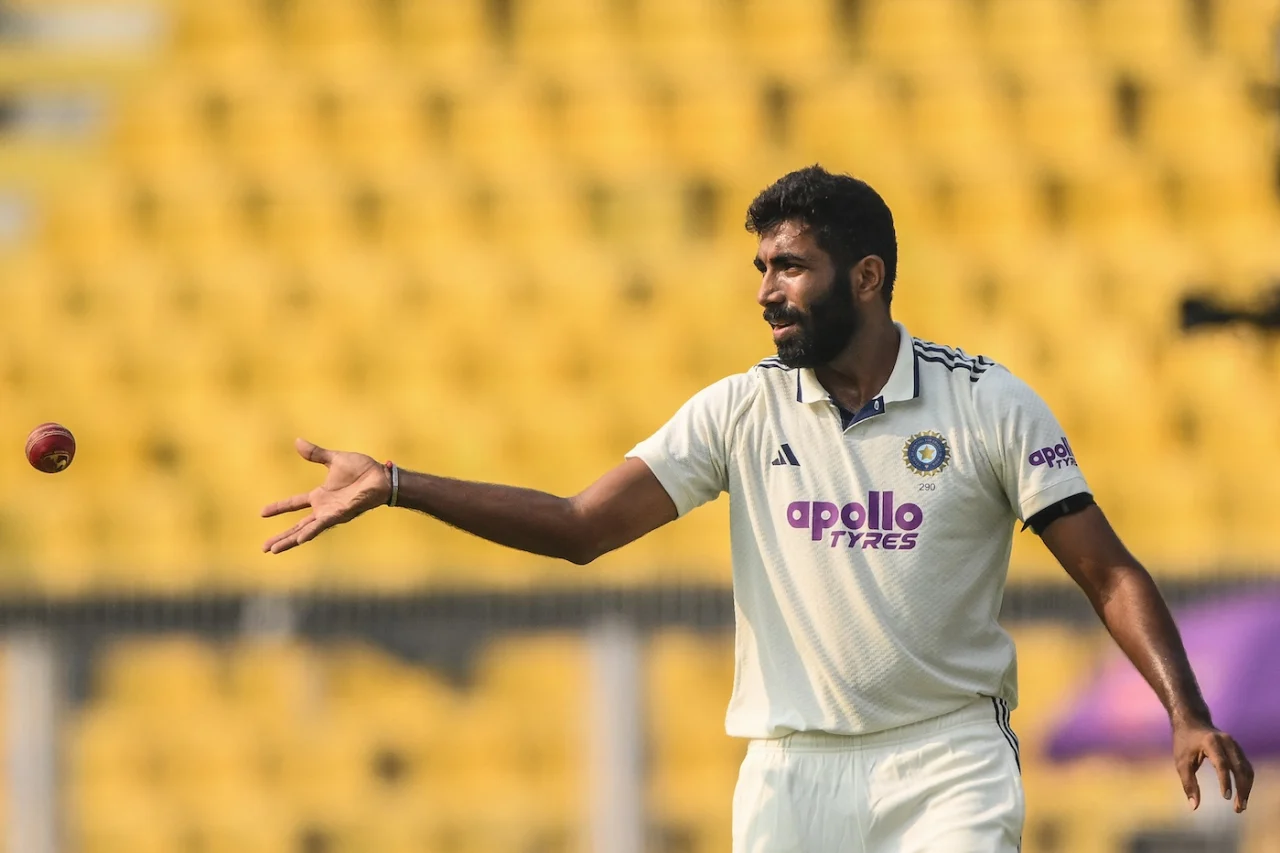
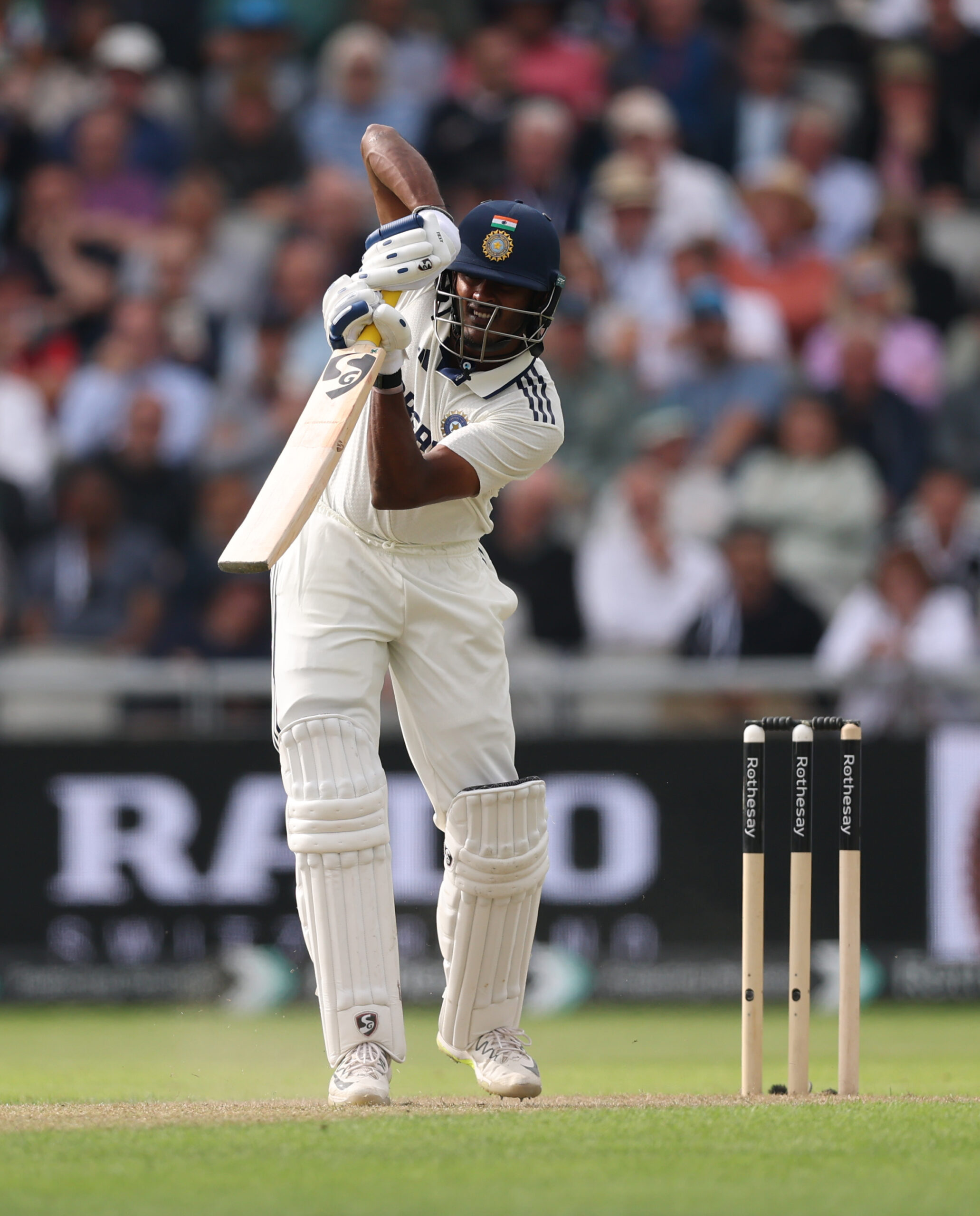
VVS Laxman, head of the BCCI’s Centre of Excellence (CoE), has backed the CoE amid growing criticism of its injury-management protocols because of a spate of injuries in the senior men’s team. India are on the verge of a major Test series in Sri Lanka but will be without their ace fast bowler Jasprit Bumrah and No. 3 batter Sai Sudharsan, who were withdrawn from the squad after failing to prove their fitness as well. However, Laxman denied any communication gap between the CoE, team management and selectors as well.
“There’s a brilliant coordination between the COE, between the team management of both the teams and the SSM [Sports Science & Medicine] staff of both [men’s and women’s] the teams. And the selection committee,” Laxman said. “The process is that the selector reaches out to the COE asking for the fitness status report. And we collect the current status and send a fitness status report to the selection committee chairman or chairperson in women’s selection committee with a copy to obviously the head coach of both the teams and the BCCI.”
“Now, Bumrah and Sai Sudarshan. You know, there’s always an asterisk and this is one thing which you all will know that when the media release comes from the BCCI, there’s an asterisk attached to a player’s selection. And what does that asterisk mean? It means subject to fitness. So, Bumrah and Sai Sudarshan were going to be picked to Sri Lanka subject to fitness clearance. And as I told before, you know, you assess them, you move them from one stage to the next stage and if the progression is slow, you communicate to the selection committee chairman and the head coach which is happening seamlessly,” he shared.
READ HERE: Shubman Gill Breaks Silence On ODI Futures Of Rohit Sharma And Virat Kohli
“And they [players] understand that they’re not yet ready to participate in the national series. Always it’s player-centric and team-centric. So that communication is happening seamlessly. I think what the BCCI has done is there’s transparency in all the fitness reports and also in the selection. At the end of the selection, whether it’s a release to the press, it’s clearly mentioned that these players are picked subject to fitness. Means if they don’t clear the fitness test, the selectors will know who are the other players who will go in their place if they don’t clear the fitness test. I mean, it’s basic common sense,” he further added.
VVS Laxman also shared that the CoE’s role extends beyond being a rehabilitation centre for injured players. He added that players should meet prescribed benchmarks and complete their Return To Play (RTP) programmes before being cleared to rejoin their respective sides as well.
“Whenever the player gets injured in whatever environment, if it is the Indian team, the Indian team physio understands the nature of the injury and then we got experts and specialists with whom we have got a year long, you know, connection. And once that diagnosis happens, then those players through the Indian team, SSM staff is sent to the COE and from the time they come here, there are two things which we do. Obviously, we clinically examine [through] the SSM team. Based on that assessment, we know what is the plan of action for them to recover and go back and join the team,” he explained.
“Once the player is ready for the next phase, which is your strength and conditioning, then the SNC comes and plays a part. Now, once the next phase starts after the SNC, slowly they go to the skill part and then we build up the load and then we play two RTP matches before we declare the player fit. And the whole idea is that when he goes back to the Indian team, men and women, or wherever, including the state teams or whatever teams he is participating, he has to be up and running and from the first match, he has been able to perform to the best of his potential. Now, it’s an objective way of assessing the player to move from one stage to the next stage. And this is where I think it’s very important to understand that the guidelines and the timelines are given based on what you expect. But it’s human body. It is not a machine where the timelines will always be met,” VVS Laxman concluded.