Former India player turned veteran commentator Aakash Chopra has questioned Shubman Gill’s captaincy in the second Test against England. He added that the Indian captain went defensive too early despite India having the upper hand in the game, stating that the same tactical mistake had been committed in the first two Tests as well.
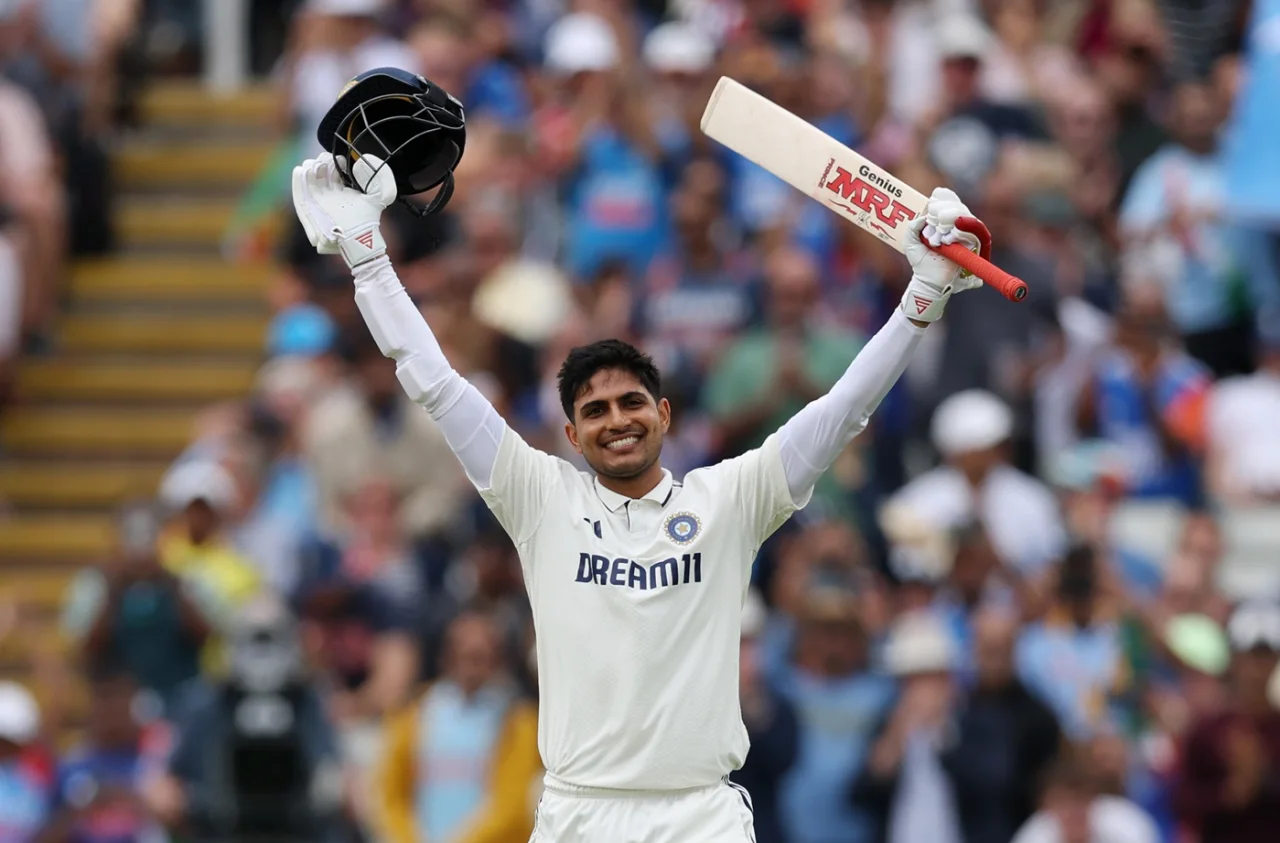
In a video shared on his YouTube channel ‘Aakash Chopra,’ he said, “When the third day started, Mohammed Siraj first dismissed Joe Root and then Ben Stokes. You had the chance to bury them in the ground. Bazball’s approach is to attack the opposition. So they started attacking, whether it was Harry Brook or Jamie Smith. Their thought process is that if it comes off, the opposition would do what they want, and that’s exactly how it played out.”
“As soon as they attacked, you spread the field a little and tried to set up a bouncer trap. 23 went in one over, and Prasidh Krishna was very expensive. They started attacking, and we went on the defensive. You conceded 172 runs in a session that you started with two wickets. You have got your tactics wrong. Shubman Gill needs to be spoken about as it has happened both at Headingley and here. He was seen following the ball a little,” he further added.

However, Aakash Chopra also opened up on Washington Sundar (0/73 in 14 overs), Ravindra Jadeja (0/70 in 17 overs) and Nitish Kumar Reddy’s (0/29 in six overs) inability to claim wickets, apart from Prasidh Krishna’s expensive spells as well.
“Another of India’s Achilles heels needs to be spoken about. I have already spoken about Prasidh Krishna. It’s our obsession with all-rounders. Washington Sundar played and scored runs as well, but what happened in the end? He, Jaddu and Nitish Kumar Reddy didn’t take any wickets. Reddy bowled only six overs. Jaddu and Washington Sundar went wicketless, and runs were being scored easily. We didn’t play bowling to take 20 wickets. We might actually end up winning this game, there is no doubt that we are ahead in the game, but it will be a travesty if our opinion is based only on the result,” Aakash Chopra concluded.