India head into the T20 World Cup 2026 as clear favourites, carrying the confidence of a world No.1 T20I ranking and a dominant run over the past year. With explosive batting depth and a versatile bowling attack, India is expected to cruise into the knockout stages. However, former India captain Rohit Sharma has sounded a note of caution, suggesting that the road to the title may be more complicated than it appears on paper.
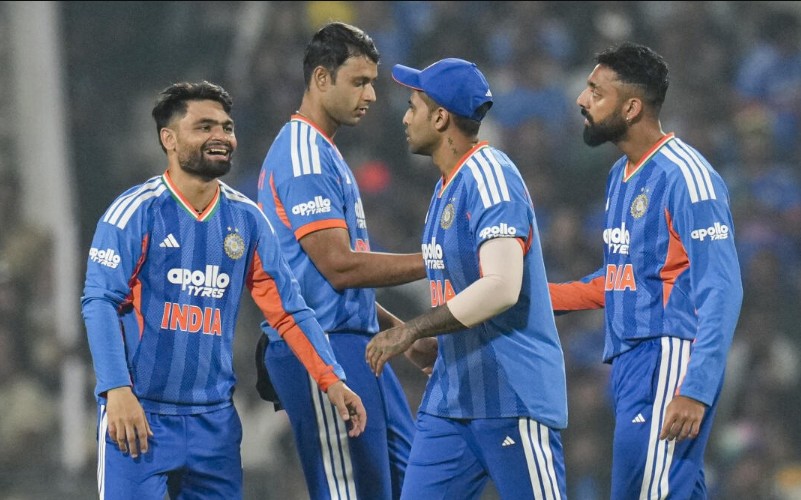
Speaking ahead of the tournament, Rohit identified what he believes could be India’s biggest tactical dilemma — finding the right balance in the bowling attack, particularly when it comes to spin. Over the past year, India’s spin trio of Kuldeep Yadav, Varun Chakravarthy and Axar Patel has consistently dismantled opposition line-ups. Yet, conditions during the tournament could complicate selection calls.
According to Rohit, the timing of the T20 World Cup — scheduled during the transition from winter to spring — will bring heavy dew into play during evening matches across most venues. That factor could limit the effectiveness of spinners, especially in the second innings, and force the team management into tough decisions.
ALSO READ: Yuvraj Singh Reveals The Real Reason Behind His Retirement From Cricket
“The biggest challenge for captain Suryakumar Yadav and coach Gautam Gambhir will be how to play both Kuldeep Yadav and Varun Chakravarthy together,” Rohit Sharma said on Hotstar. “If you want that combination, you can only do it if you play with two seamers, which is a big challenge.”
Despite highlighting the risk, Rohit admitted that playing both specialist spinners is an attractive option, given their ability to control the middle overs and take wickets. However, squeezing three spinners into the XI would disrupt India’s pace balance.
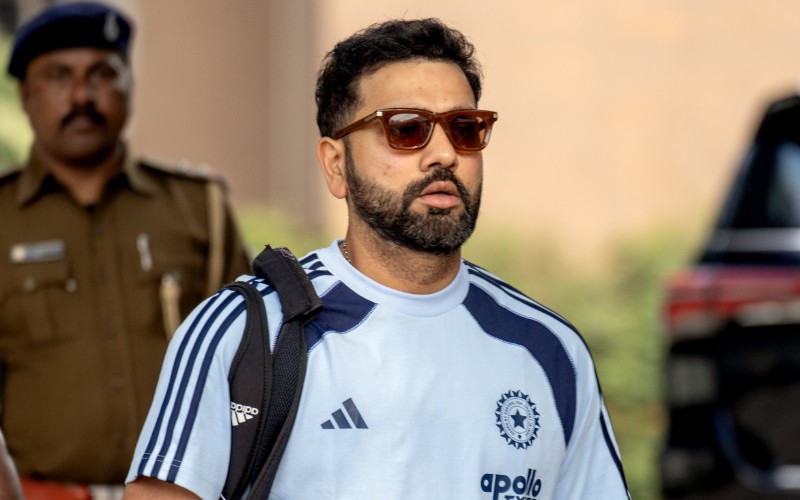
Fielding Axar, Kuldeep and Varun together would likely mean leaving out Arshdeep Singh, forcing India to rely on Jasprit Bumrah as the lone specialist seamer, supported by pace-bowling all-rounders Hardik Pandya and Shivam Dube. Rohit Sharma emphasised that there is no straightforward answer, especially with dew becoming a decisive factor.
“Looking at conditions in India, like in this New Zealand series, there is a lot of dew. In February and March, dew will be heavy across most parts,” he said. “I’d say 90–95% of grounds in India have dew. That’s the challenge.”
ALSO READ: Rahul Dravid Explains How India’s T20 Rise Has Impacted Their Test Cricket Fortunes
He added that the final call will depend on the comfort level of the team leadership. “Are they comfortable with three spinners? Then they can play spin, but there’s no fixed rule. You have to drop a pacer, which may not be right,” Rohit explained.
India will begin their T20 World Cup campaign on February 7 against the USA, with group matches scheduled across Mumbai, Delhi, Colombo and Ahmedabad — venues where dew and balance could shape India’s title defence.