Afghanistan’s journey in Test cricket has never been about a lack of talent. Instead, it has been defined by a lack of opportunities. Since making their historic Test debut against India in Bengaluru in 2018, Afghanistan have played just 12 Test matches in eight years, a remarkably low number for a Full Member nation. Their latest red-ball challenge comes against India, but according to newly appointed head coach Richard Pybus, the bigger issue extends far beyond a single fixture.
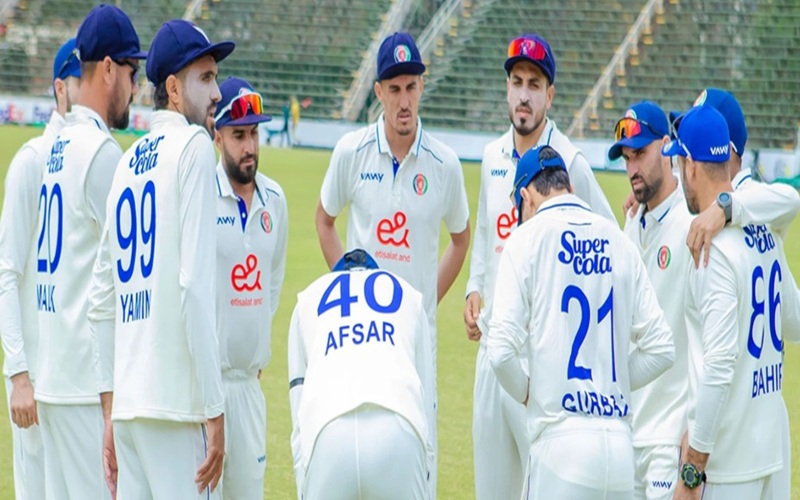
Ahead of his first assignment as Afghanistan head coach, Pybus stressed that regular Test cricket is essential if emerging nations are to compete consistently at the highest level. While Afghanistan have made significant strides in white-ball cricket and produced several world-class players, the former Bangladesh and Pakistan coach believes progress in the longest format can only come through sustained exposure. “The key issue for us is simple. We need more Test matches. One-off games are not enough to help a team grow,” Richard Pybus said before the India Test.
The experienced coach argued that Full Member status should automatically bring a structured international calendar. According to him, occasional appearances in Test cricket make it difficult for teams to develop the skills, mindset, and consistency required to succeed over five days.
WATCH – Yashasvi Jaiswal Departs For 24 Following Soft Dismissal Against Afghanistan
“It is not just about getting full membership. There has to be a proper fixture list. Teams cannot develop purely through World Cups or limited opportunities. Regular exposure in Test cricket is essential,” he added.
Pybus also acknowledged the support Afghanistan have received from the BCCI, describing India’s willingness to provide red-ball opportunities as crucial for the team’s growth. He expressed hope that other Full Member nations would follow a similar approach and help create a more balanced international schedule.
“The BCCI has been very helpful in giving us opportunities this year. Going forward, it would be great to see other full members also contribute and ensure a more balanced schedule,”Richard Pybus noted.
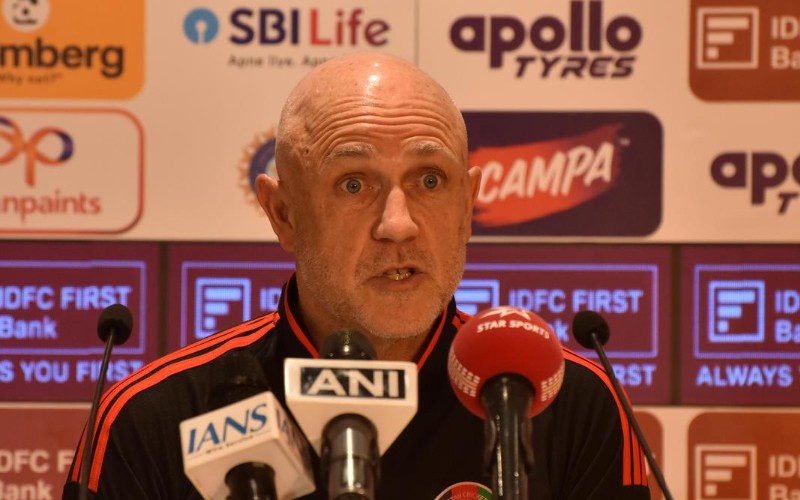
Having recently taken over from Jonathan Trott, who guided Afghanistan through one of the most successful periods in their cricketing history, Pybus said his initial focus has been on understanding the team’s culture and domestic structure. After spending time in Kabul and observing local competitions, he came away impressed by the standard of first-class cricket and the depth of emerging talent.
“Jonathan Trott did an outstanding job. The team has developed rapidly, and there is a strong foundation to build on,” he said. One aspect that particularly stood out to Pybus was the passion for cricket across Afghanistan. Despite limited infrastructure and challenging playing conditions, he was amazed by the enthusiasm shown by young players. “I have never seen anything like it. Children play on stone grounds and concrete pitches, yet the passion is extraordinary. Despite the challenges, the quality of talent coming through is remarkable,” he explained.
ALSO READ: Manav Suthar Earns Maiden India Test Cap Against Afghanistan In Mullanpur
Pybus believes Afghanistan now possesses global cricket stars capable of inspiring the next generation. However, he insists that long-term success in Test cricket will depend on one thing above all else: more matches.
“You cannot expect improvement if there are long gaps between Tests. Development comes from playing regularly, ideally in multi-match series. This is something the ICC needs to address if Test cricket is to grow globally,” he concluded.